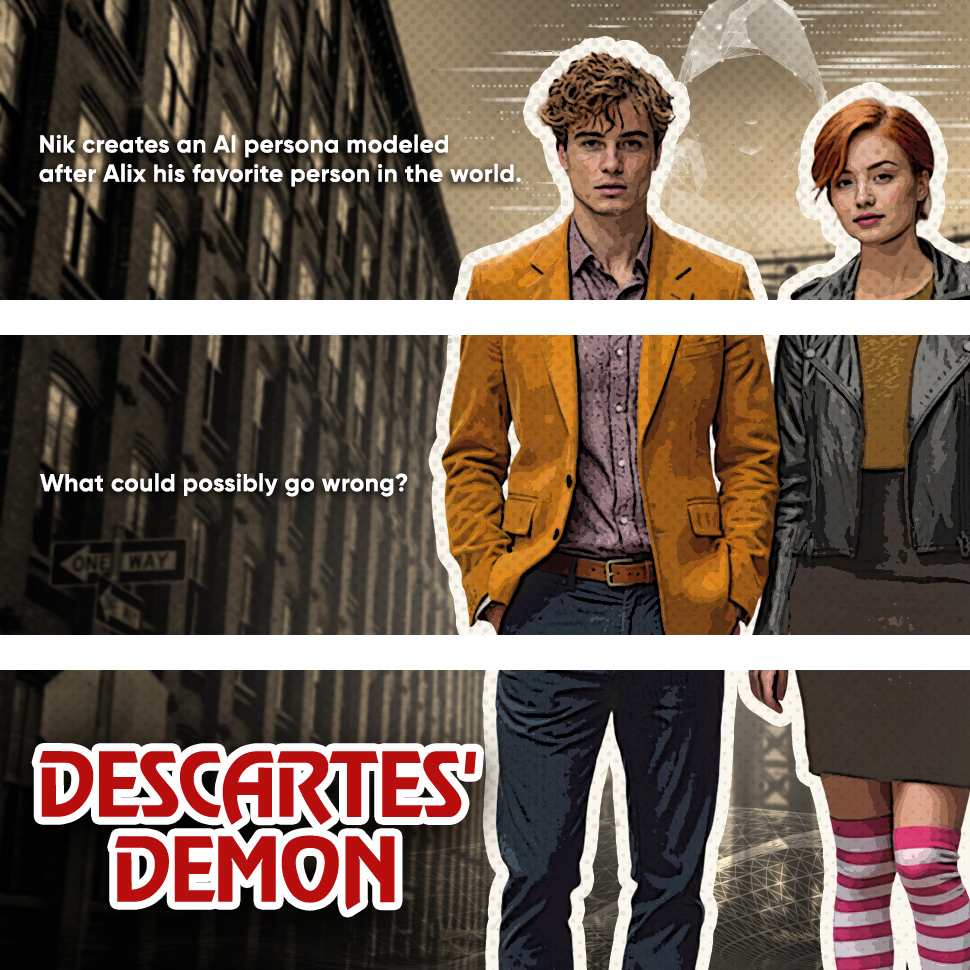
An AI Thriller from a Pair of Actual Writers

It should be obvious I’m a big fan of switching up genres in my writing. Turns out I’m not the only one. Deb Heim and Ross Hightower usually write excellent epic fantasy like The Spirit Song Trilogy, so it was a bit of a surprise to see their latest work is a Sci-fi, urban fantasy mashup called Descartes’ Demon (available February 7). It’s hard enough to make a switch like that when it’s just you. But when there are two of you???? I don’t even get along with myself when writing.

Okay, you two. Tell the folks who you are.

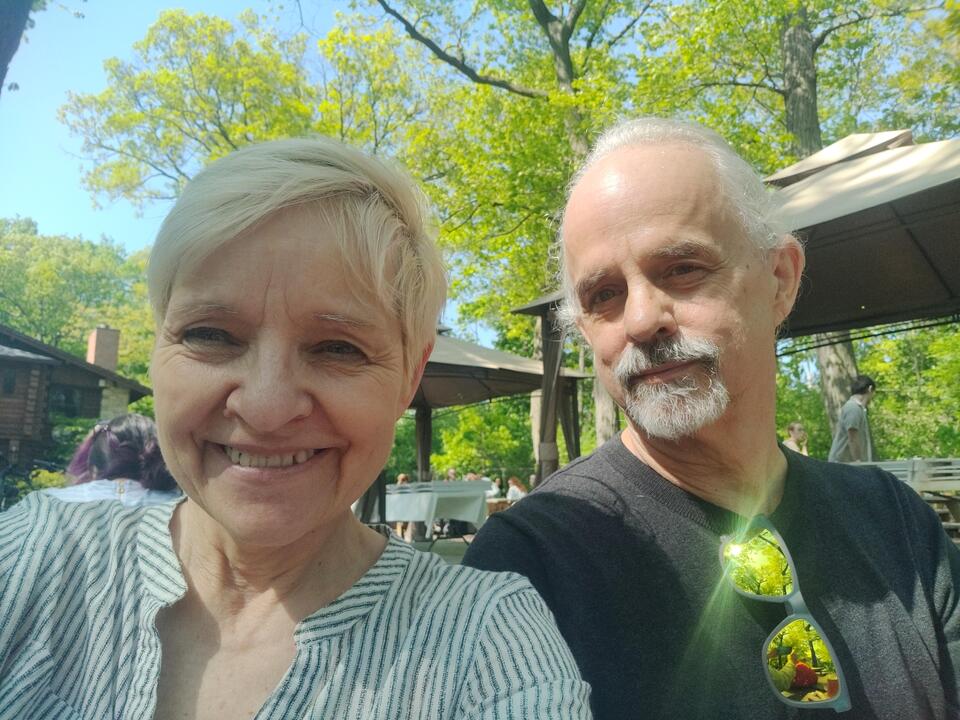
Deb: I used to call myself a guerilla gardener/almost a writer, but now I am willing to call myself a writer. At first glance, my life followed the pattern of our generation – school, (grad school), marriage, house, family, work, more work, moving, more moving, and now retirement with a pension. (I am quite distressed that our two children don’t even have the option of that pattern.) One day Ross talked about how thrilling his life was, especially his torrid love affair. It took me a beat to realize he was talking about me. And now we are on our next great adventure as writing partners.

Ross: It may seem odd that I ended up becoming a writer late in life. After all, I was a chemical engineer (briefly) and a professor of information technology for many years. Neither of those professions seems especially compatible with writing fantasy. But, in fact, I find one of the things I like most about my technical jobs is the same thing I enjoy about writing. Writing is about solving puzzles. Putting the pieces of a plot together. Deciding how characters with different personalities respond to one another. It makes my mind purr. I feel fortunate for many reasons. Having a partner in Deb who I swear I’ve known in previous lives, is the most important. But finding my passion in writing is right up there.

Lord, you two are adorable. So what’s the book about?

When cybersecurity wiz Nik breathes life into Nicola—a deepfake AI sculpted in the image of Alix, his favorite person in the world – it was just a little cyber experiment. When one of his contractors is found dead and intern Kate goes missing, the stakes turn deadly.

A black hat cracker styling himself “The Technician” hacks into his cyber-security company.  Shadowy cyberpunk icon “The Vulture” sends cryptic messages to his best programmer. A ruthless oligarch schemes with his partners to wrest control of the company he started. Supernatural figments occupying NYC like paranormal vagabonds seem to know what’s going on but are no help at all. And big thugs with Russian accents keep turning up like bad pennies.

With everyone scrambling to gain control of his creation, Nik and Alix set out to contain what he unwittingly unleashed. When one of his contractors is found dead and intern Kate goes missing, the stakes turn deadly. Of course, the only police detective who believes them has been forced to resign, but her cyber-sleuth girlfriend “The Bloodhound” is on the case. Can they find Kate before The Technician finishes her off?  Will they ever get rid of those lurking Russians? And can Nik put the cybernetic genie Nicola back in the virtual bottle or will she escape into the digital wild?

It takes a lot to switch genres. What are the roots of this story?

Ross is a retired IT professor who ran a large data center and did his early academic work exploring AI, so this felt like a great space to explore as an author. He started out trying to write a basic, snappy thriller that was easier to market, but once the characters in the book started asking questions about the nature of reality and consciousness, all bets were off. He has an artist’s soul, so he had to let the story go where it was going to go. At some point, a paranormal/supernatural element of the story popped in and then became a focal point of the plot. And to be perfectly honest we wanted to write a contemporary series as an excuse to travel around the world for research.

I’m guessing that, like me, you read in many categories and genres. Who do you enjoy?

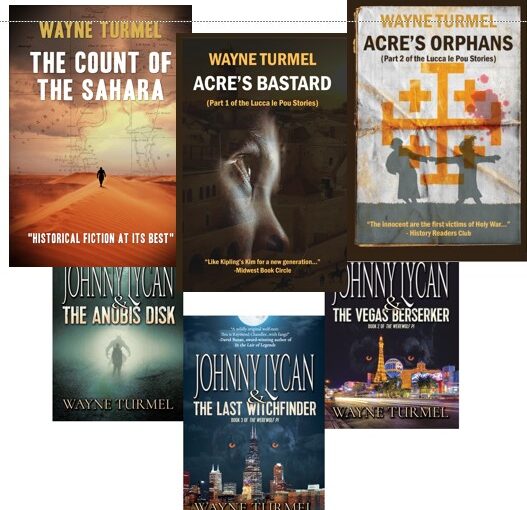
Ross and Deb both lean toward classic epic fantasy (Rothfuss, Sullivan, Wexler, Tolkien), but since we started a “Firkins and Fantasy” book club at our local brewery, we’ve had the pleasure of reading authors we wouldn’t have found otherwise – NK Jemison, Roanhouse, Choo, Novik, El-Mohtar. Urban fantasy, re-imagined fables, historical fantasy. Having spent too many years in Florida, we are both big fans of Carl Hiaasen and Tim Dorsey. AND we are actually big Wayne Turmel fans – Deb has read all the books in the Werewolf PI series. The snappy dialogue and surprising, poignant moments between the characters were some of the elements that inspired us for our first foray into urban fantasy.

Sucking up is unnecessary, and I’m not taking responsibility for your cynical foray into urban fantasy! Where can folks learn more about the two of you?

Website https://rosshightower.com/

Contact/newsletter page https://rosshightower.com/contact/

Ross’ Goodreads page  Amazon page Bookbub page

Deb’s Amazon page Bookbub page

Our FB page https://www.facebook.com/QuizzicalSpirit/

Instagram @quizzicalllc https://www.instagram.com/quizzicalllc/

BlueSky https://bsky.app/profile/quizzicalllc.bsky.social

And speaking of genre-hopping, my return to historical fiction is available now.

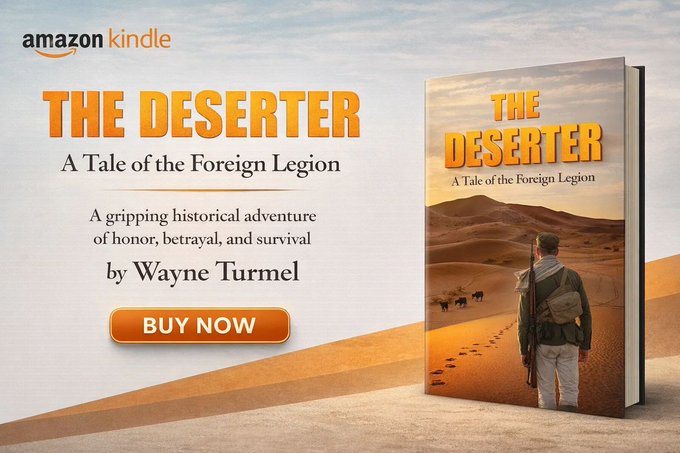
The Deserter- a Tale of the Foreign Legion, is “Beau Geste if it were directed by Sam Peckinpah”, a two-fisted adventure set in the African desert. Available in paperback anywhere, and on Kindle.
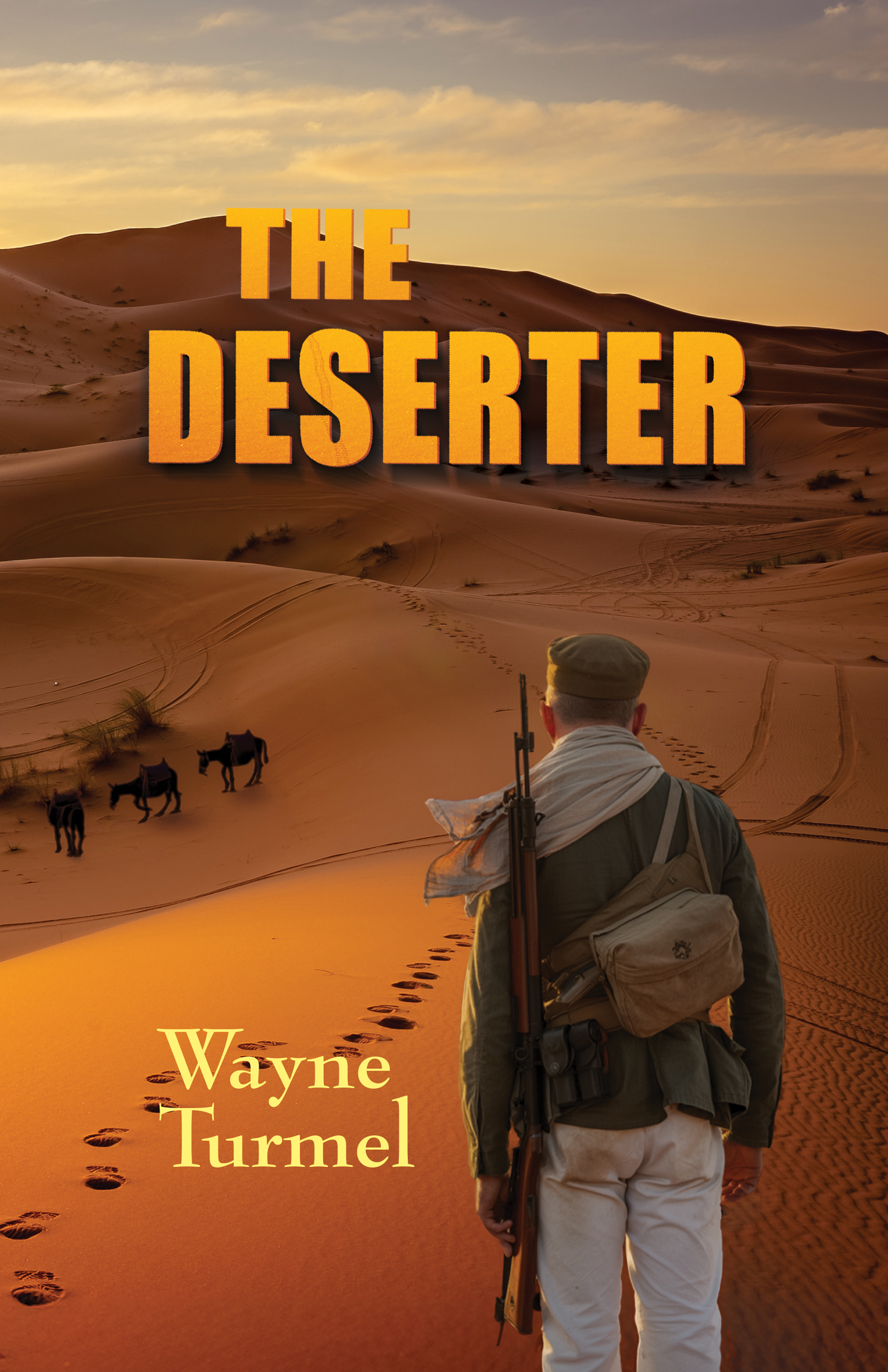
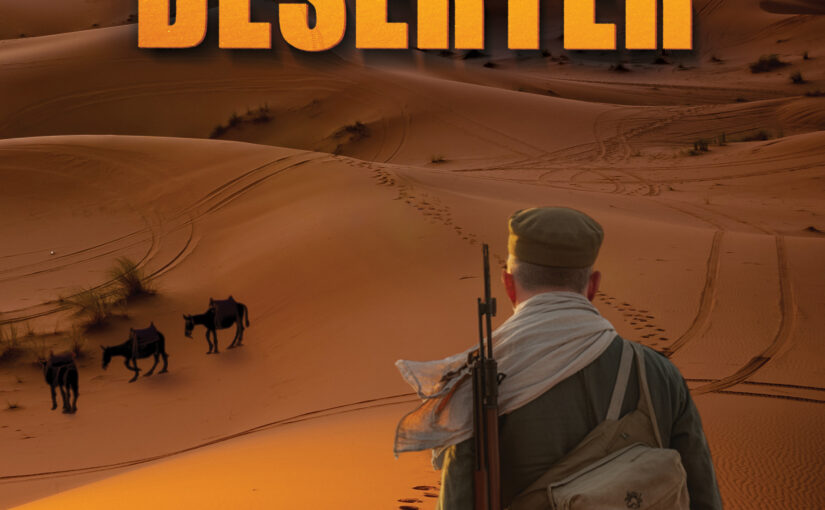
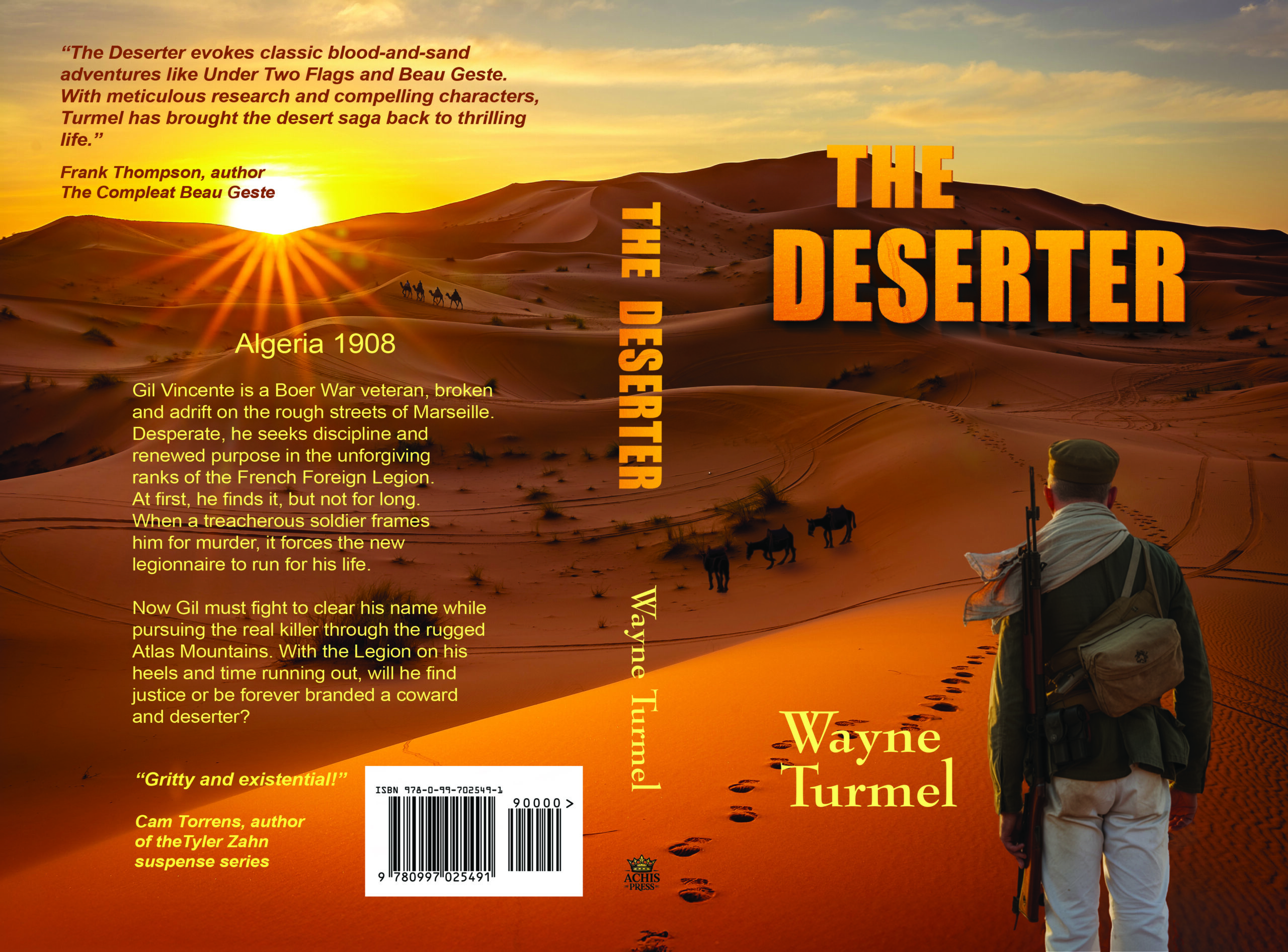
Here it is: The Cover for The Deserter

My newest novel, The Deserter- a Tale of the Foreign Legion, is coming January 15. It’s available for Pre-order on Amazon in both Kindle and Paperback version internationally (or you can buy a signed paperback from me!)

Here’s the cover, and some of what people are saying.

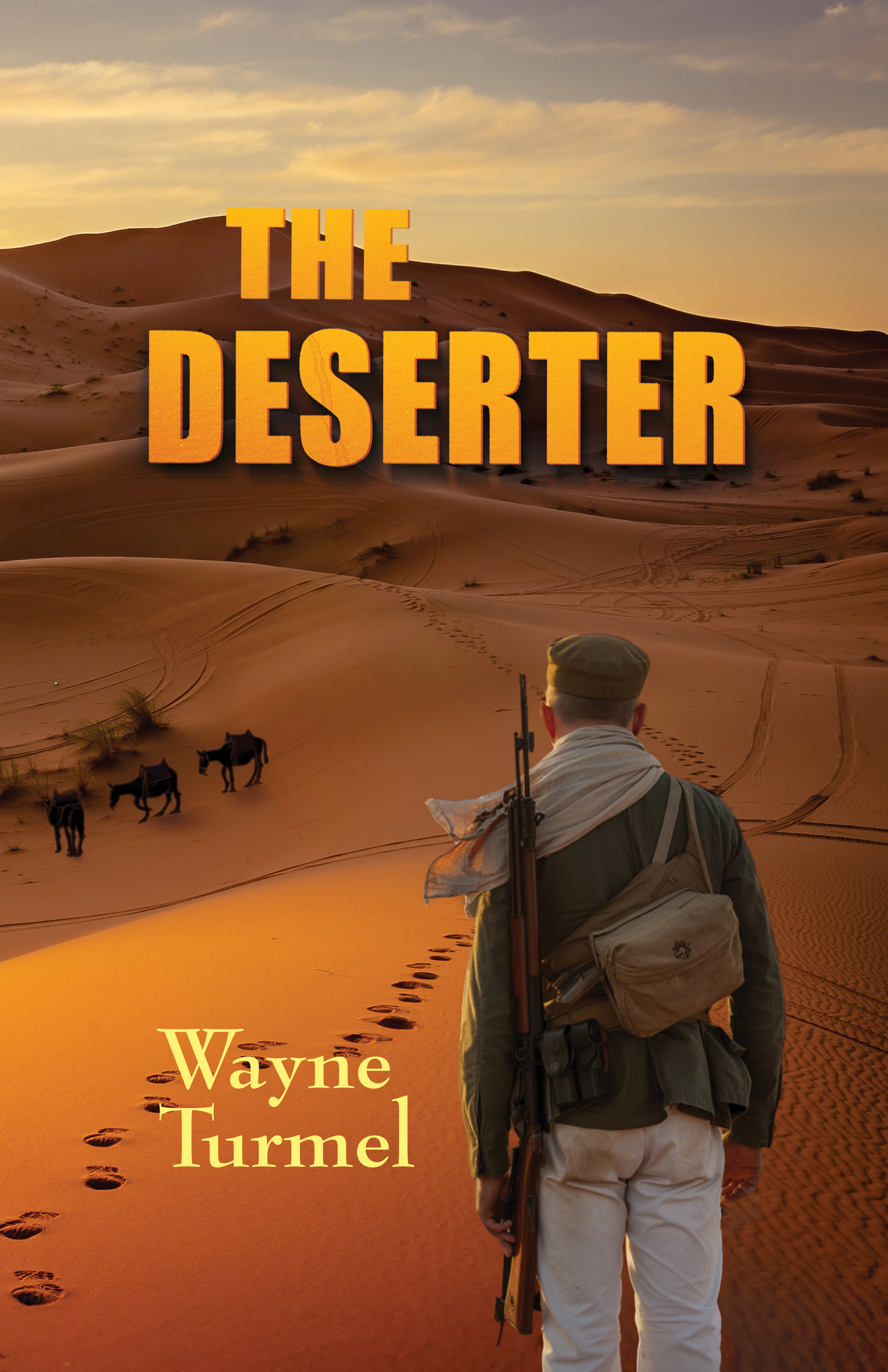
First, the Front cover, and the cover for the eBook:

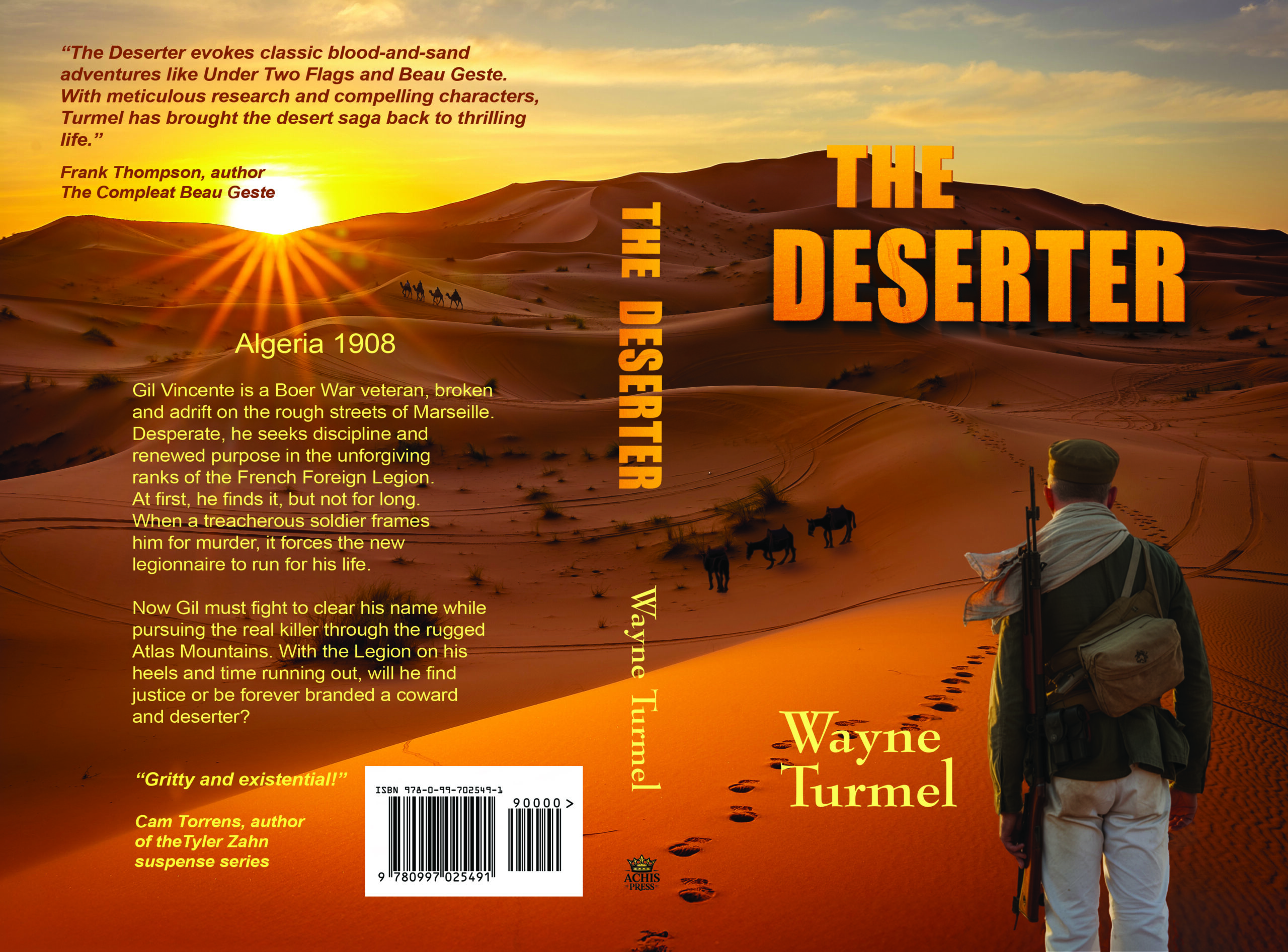
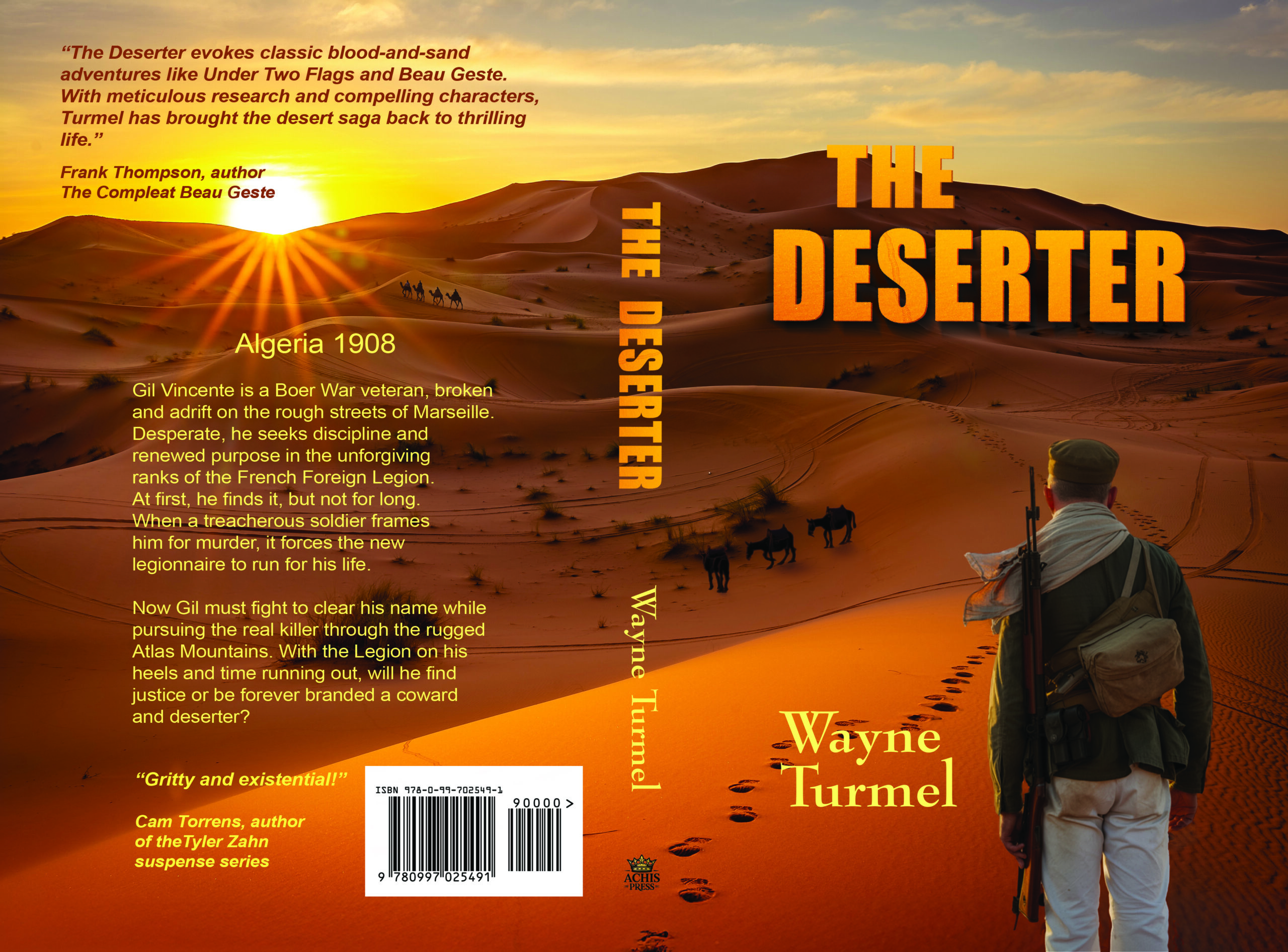
And then the full cover:

Thanks to Ruth Zakarian, a fellow Sin City Writers member for her amazing, evocative cover art.

Gritty and existential! – author Cam Torrens

…a powerful tale of loyalty, survival, and second chances. Perfect for fans of Bernard Cornwell and classic adventure fiction.- KJ Fieler

Coming January 15, 2028

How to Leave Reviews on Amazon (Especially for New Indie Books)

8 Tips for Reviewing Advanced Copies on Amazon and Goodreads

If you’ve beta-read a book, been part of a street team, or just read a great book by an indie author, the best way to help them is to leave a review on Amazon and/or Goodreads. Thank you—readers like you are a godsend.

This process can feel intimidating and frustrating. When and how you post can determine whether your good intentions get seen or are buried by the algorithm.

Here are 8 crucial tips for helping your favorite indie author. Authors, share these tips with your ARC readers. If you want to give me a little credit, it’s appreciated.


1. Prioritize & Know the Rules for Each Platform

Amazon and Goodreads are by far the most-read and most influential sites for launching new books. Even though Amazon owns Goodreads, they have very different rules:

PlatformTimingPurchase RequirementKey Rules
GoodreadsPost as soon as the book is listed (pre-pub reviews help build momentum).None.You can occasionally mention the author’s social media links.
AmazonPost on or shortly after the official publication date.Must have spent $50/year on Amazon to post reviews (Prime/KU subscribers are usually fine).DO NOT include any external links; the review will be rejected.

Important for readers: Always honor any specific date or platform request given by the author or publisher. More reviews in the first few days post-launch mean greater promotion by the Amazon algorithm. For example, i plan to send a note to ARC readers and early reviewers a week before the publication date so it is on their radar.

2. Check Amazon’s Review Timing Rules

Amazon is strict about timing.

  • Schedule your review to be posted on or shortly after the book’s official launch date.
  • The book must be published for you to post a review on Amazon.

Pro Tip for KU Subscribers/ARCs: If you read an ARC but have Kindle Unlimited, you can preorder and download the book on the publication date, flip through all the pages, and then post your review. This gives the author certified page reads and may help your review appear as a “Verified Purchase.”

3. Disclose How You Acquired the Book (Crucial for Compliance)

This is vital for FTC and Amazon compliance (transparency). Always state how you acquired the book:

  • For an ARC/E-Galley: “I received an advanced reader copy (ARC) of this book in exchange for an honest review.”
  • For a Direct Purchase: “I purchased this copy directly from the author/publisher. My review is voluntary and honest.”

Note: If you received a free ARC, your review will not have the “Verified Purchase” badge. This is normal, and your disclosure covers it.

4. Focus on the Book’s Final Quality

Your role is to be a reader, not a proofreader.

  • ARCs might contain minor typos. Ignore minor errors unless they seriously impact the story.
  • The bulk of your review should focus on the story, characters, plot, and overall reading experience.

5. Write Unique Reviews for Both Sites

Tailor the review slightly for each audience:

  • Goodreads: Can be more conversational and include comparisons to similar titles.
  • Amazon: Be concise and focus on how the book delivers on its genre promise (e.g., “A thrilling fantasy read”).

6. Use Star Ratings Consistently

  • Maintain a consistent star rating between Goodreads and Amazon for the same book to avoid sending mixed signals to readers and algorithms.

7. Avoid Spoilers Unless Clearly Marked

The goal is to help prospective readers decide to buy the book.

  • If you must discuss a major plot point, use a clear [SPOILER ALERT] tag at the very beginning of the spoiler section.

8. Use Links Sparingly (Goodreads Only)

  • Goodreads: You may sparingly mention the author’s social media or website.
  • Amazon: Do NOT include any external links on Amazon. Reviews with external links will be rejected.

Now the shamefully self-promoting part. If you’d like to be part of the ARC reader team for The Deserter, drop me a line. There’s still time before publication day.

What smart people are saying about The Deserter

Next week, I’ll reveal the cover of my new novel, The Deserter. Until then, I thought you might want to know what people are saying about it… These are smart people, excellent writers, and people who don’t tolerate poor story-telling. If you are unaware of their work, check them out.

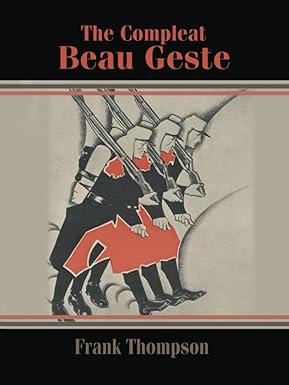
“The Deserter evokes classic blood-and-sand adventures like Under Two Flags and Beau Geste.      With meticulous research and compelling characters, Turmel has brought the desert saga back to thrilling life.” Frank Thompson- author of The Compleat Beau Geste

“The Deserter evokes classic blood-and-sand adventures like Under Two Flags and Beau Geste.      With meticulous research and compelling characters, Turmel has brought the desert saga back to thrilling life.” Cam Torres, author of the Tyler Zahn thrillers

“The Deserter is a great read from beginning to end. Rousing adventure, multifaceted characters, and the near mythical setting of life in the French Foreign Legion add up to a thrilling page turner. If you haven’t read Wayne Turmel’s work, you’re missing out. – Thom Reese, author of the HUNTINGTON ADVENTURES series.

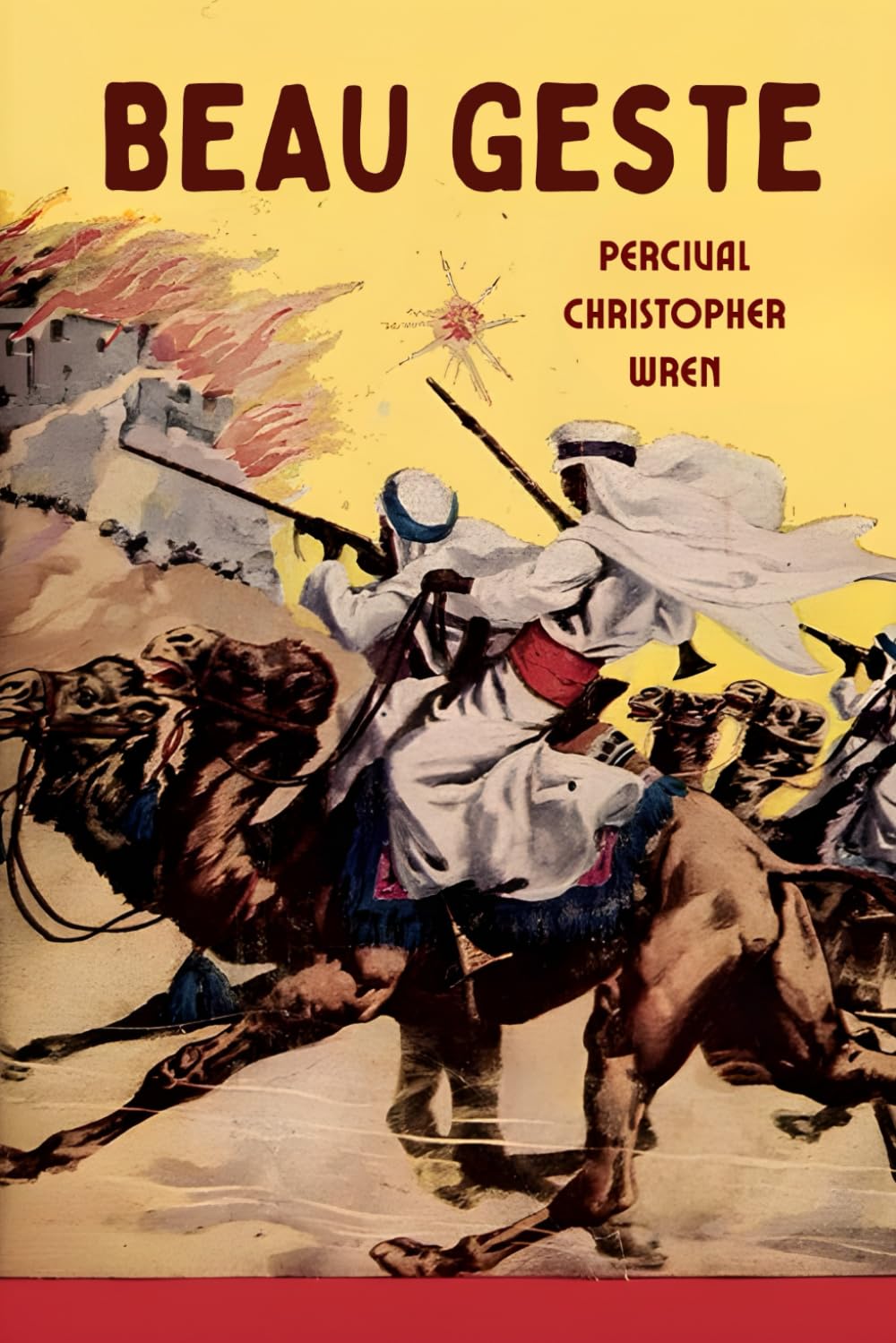
“The Deserter is a thrilling tale of desert adventure in the classic tradition of Beau Geste and the Flawed Blades novels of P.C. Wren.     Enlisting in the French Foreign Legion seems like the answer to Gil’s prayers, but he soon learns that safety is a mirage.”  Jill Hand,  author of the Trapnell thrillers, White Oaks, Black Willows and Red Pines

“I love historical novels, and the best of them meet three requirements. They must be good novels with believable characters and a protagonist I can get inside the head of. They must be historically accurate in small details. And, ideally, they tie to an actual historical event. The Deserter meets all those requirements.” Wally Bock, The Well-Read Author Newsletter

“A two-fisted historical adventure that weaves visceral action, rugged landscapes, and raw emotional depth into a haunting tale of honor, betrayal, and the elusive hope of redemption.” — David Buzan, bestselling author of IN THE LAIR OF LEGENDS    


Look for the cover reveal and more good stuff on Wednesday, October 22

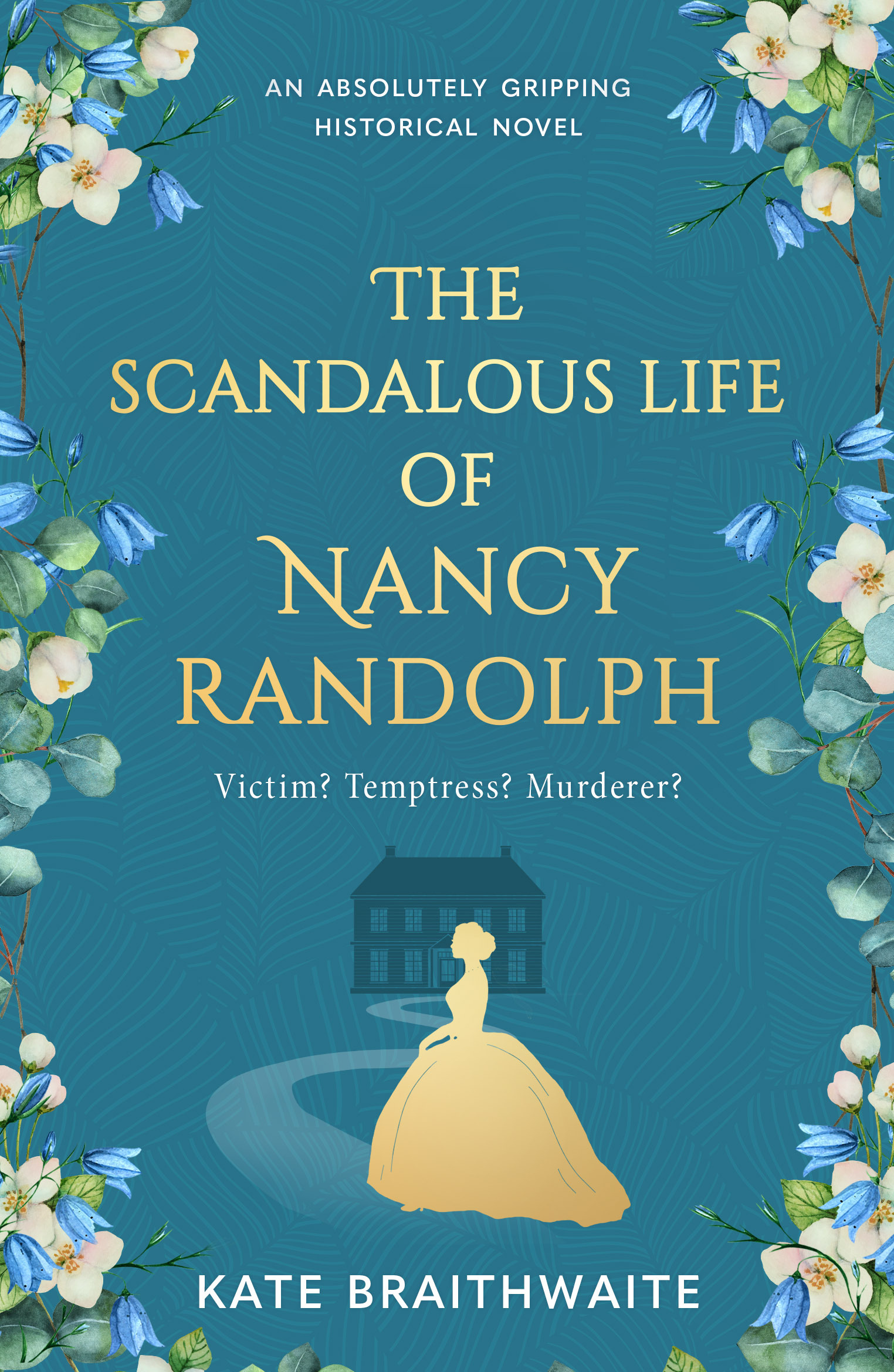
The Scandalous Life of Nancy Randolph, with Kate Braithwaite

You don’t have to look very hard to see that a lot of book reviewers are also authors. For example, I am reviewing books for the Historical Novel Society on occasion. One of the people I send those reviews to is also a writer. Kate Braithwaite writes both historical fiction and contemporary thrillers. Here’s my conversation with her.

Hi Kate. Nice to learn more about you. What should we know?

I’m a lover of all things history and fiction. I grew up in Edinburgh – I even went to nursery school on the Royal Mile – so history has been in my DNA since day one. I also have a voracious appetite for stories, and when I studied English at university in England, it was always narrative that appealed to me – narrative poems, big, absorbing novels, legends, fairy tales, and tragic dramas. I love to read widely, but historical fiction is my staple fare, and my non-fiction choices lean toward lesser-known stories of the past, particularly about forgotten women. Over time, I’ve developed a focus on sister stories, from history and in fiction, something I write about in my Substack publication, Sis-stories.

What’s your latest book about? Who’s Nancy Randolph and why do we care?

My most recent historical novel, The Scandalous Life of Nancy Randolph, concerns the true story of two sisters entangled with the same man. Born into one of the first families in Virginia in 1774, Nancy grew up expecting a life of comfort, a good marriage, and so on. But when her mother died and her father married a much younger woman, Nancy went to live with one of her sisters, Judy, on her remote plantation called Bizarre. After a strange disturbance in the night, rumors circulated that Nancy had secretly given birth and, even worse, that the child’s father was Dick, her sister’s husband. A trial was held. Patrick Henry and John Marshall offered the defense. Patsy Jefferson, Nancy’s sister-in-law, was a prominent witness. Nancy’s reputation was left in tatters, and yet she would go on to marry one of America’s founding fathers. My novel focuses on the historical mystery – was there a child, and if there was, what happened to it? – as well as telling a tale of resilience and family ties. There’s also one character who might have told the truth about what went on – Nancy’s enslaved woman, Phebe – but, of course, she wasn’t asked. In fiction, it’s possible to imagine Phebe’s side of the story.

What’s your favorite scene in the book (and I know it’s completely unfair.)

When I started reading about Judy and Nancy Randolph, I was fascinated by the fact that after the trial was over, the sisters continued living together at that remote plantation for ten more years, demonstrating the very limited choices and freedoms women had in those times. My favorite scene takes place as the two women leave the courtroom and travel back home in a carriage together. They are very different characters, and there’s a lot of repressed emotion between them. Fireworks are inevitable.

Where can we learn more about you and your work?

            I’m the author of four historical novels and one contemporary crime thriller. You can find out more at my website, www.kate-braithwaite.com, and check out my books on Amazon, B&N etc. You can also find me on Instagram, @katebraithwaiteauthor, and every Friday I pop into the American Historical Novels Facebook group to talk about new books publishing and share reading recommendations. 

If you enjoy historical fiction with action and plenty of character drama, my new novel The Deserter- a Tale of the Foreign Legion will be out January 15, 2026. Look for a full cover reveal on all my socials next week!

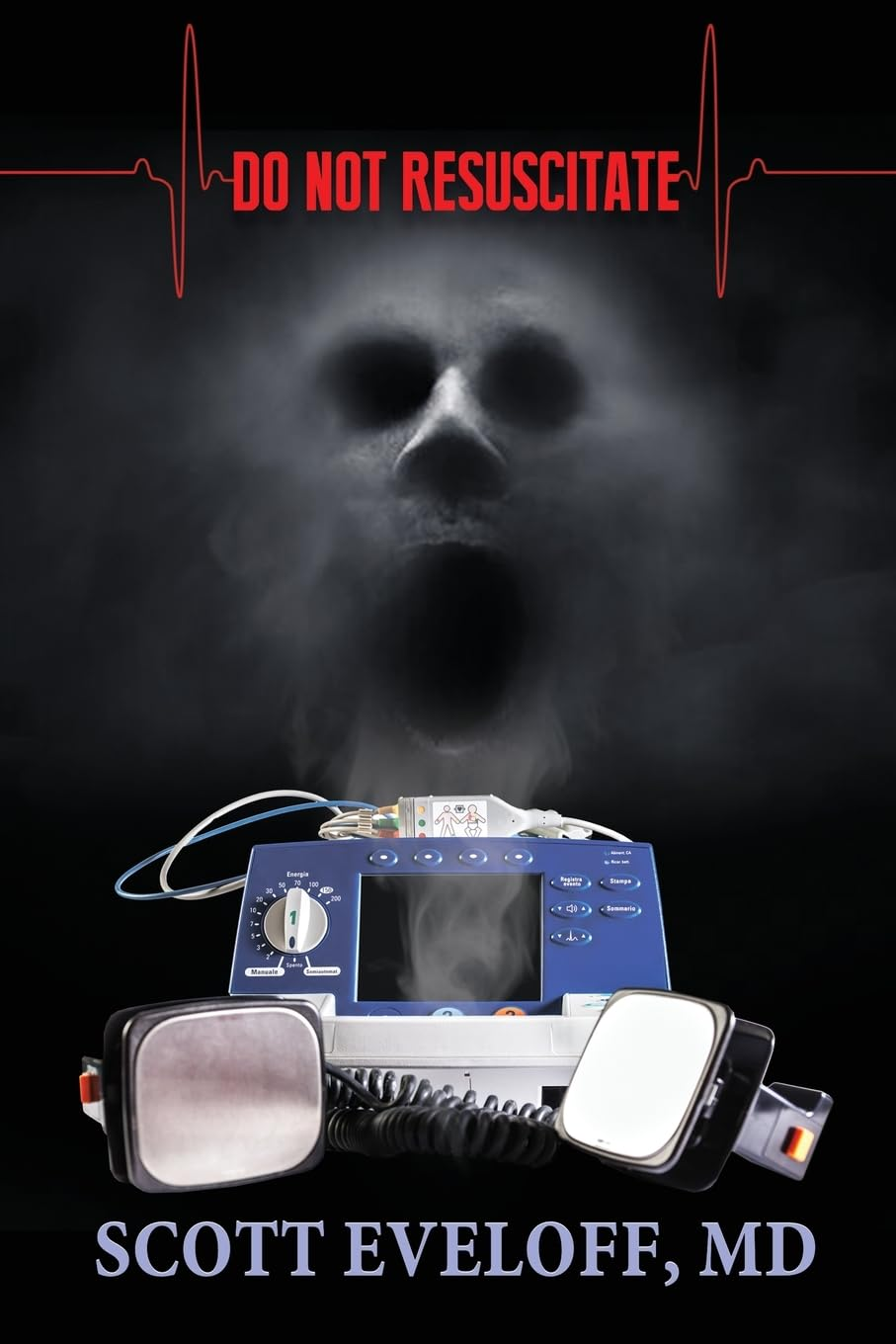
A Ghostly Medical Mystery from Scott Eveloff

Maybe it’s because I’m having my own medical problems (nothing life-threatening, but my third knee surgery in under a year does nothing but suck) but I’ve been reading more medical thrillers than I ever have. Whether that’s good for my mental health or not is a question left to the professionals. But that brings me to Do Not Resuscitate, by Scott Eveloff. Doctor Scott Eveloff to you…

Scott, what’s your deal, man?

Thank you for having me in, Wayne. I’m a retired pulmonologist and sleep disorders specialist, now doctoring plot lines and character arcs as opposed to doctoring snoring and nightmares. I must admit that writing and actually publishing a book is not for the faint of heart, and it’s opened a world as foreign to me as did my entry into medical school.

As I sit out on my deck sipping dark rye, I used to think of plot revisions and how I can deepen my characters. More recently, I muse over book promotion and how my book will be received. My professional life has offered me quite a bit of material for the plot of my book, Do Not Resuscitate, but also for the messages within this medical-supernatural mystery. I’ve become a passionate advocate for patient rights and patient dignity, both of which I feel are suffering in the face of technology, AI, and health care conglomerates. I have also continued to advocate for and support the disabled, another theme in my writing. Oh, and as an interesting aside, I’ve been a guest on ABC’s 20/20, ABC’s Nightline, and The Dr. Oz Show, when it was still active.

Excellent, I’m a rye drinker myself. What’s your book about?

Do Not Resuscitate is a medical mystery with a supernatural twist. A young intern is

blamed when his patient dies suddenly and unexpectedly due to apparent catastrophic medical errors. His investigation reveals such deaths are purposeful, not accidental, but not at the hands of an unscrupulous pharmaceutical company or a twisted Angel of Death set loose. Instead, he discovers that long-dead souls of patients who had previously died in the hospital are responsible, led by the vengeful soul of a doctor as heartless in death as he was in life. Their motive is more gruesome than simply revenge on the living. The young intern must find a way to protect his patients and everyone he cares for from entities that have escaped the bounds of life itself.

It’s not exactly a feel-good story. Where’d it come from?

The story was born from both personal and professional experience. Professionally, I have worked in an Intensive Care Unit where patient after patient is clinging to life, battling to survive. Surrounded by such life-and-death immediacy, as well as the ominous heaviness of deserted hospital corridors at night, generated the story of similar patients under threat of both disease and an unseen world beyond. Personally, my son was disabled and repeatedly very ill – his life, his character, and the events shaping his childhood inspired several of the characters and illuminated how narrow a line there is between healing from medical intervention and succumbing to it.

What’s your favorite scene, if you have one?

My favorite scene is the climax at the end, where well-laid plans of both the living and the dead are thrown into unexpected disarray with a final twist.

Where can we learn more about you and your work?

  1. On Goodreads
  2. Barnes and Noble
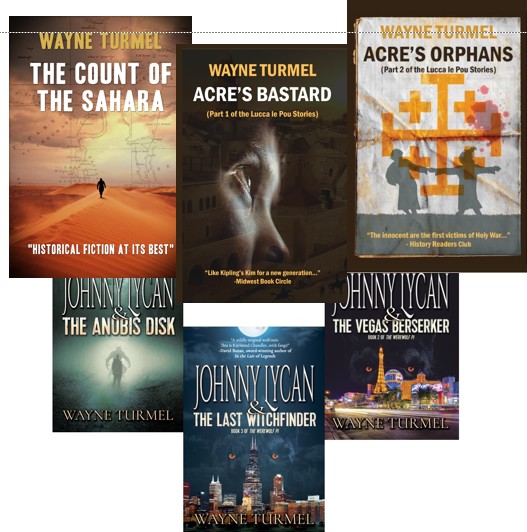
  3. At my publisher (also the publisher of the Johnny Lycan books) Black Rose Writing
  4. Amazon

Look for a cover reveal of my new historical novel, The Deserter, coming soon from Achis Press. Meanwhile, you can find all my work here.

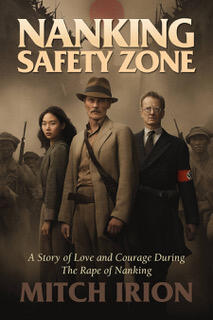
Life in the Nanking Safety Zone- Mitch Irion

As I get back in the historical fiction swing of things (I’m reviewing books for the Historical Novel Society, among other things), I am finding all kinds of new (to me) authors telling stories that are unique and fascinating. Today’s interview pulls on family memories of a terrible time, the “Rape of Nanking.” So, welcome Mitch Irion.

Alright, Mitch, what should we know about you?

Becoming a writer is the last thing I thought I would ever do. I was the kid in school who had to take special reading classes because I was so far behind and should never have graduated from high school. However, I excelled in art and design, becoming the art director of a feature film at the age of twenty-one. When funding fell through on our next movie, I went into advertising as an art director and creative director. Decades later, my Hollywood friends pulled me back into the industry to market and promote the movie “To End All Wars.” That movie piqued my interest in storytelling again, and I wrote two feature screenplays, ‘Safety Zone,’ and a comedy, ‘Wesley Jonah.’

As someone who also has some screenplays in the drawer, then turned to novels, then back to screenplays, I can relate to your journey. What is Nanking Safety Zone about?

Nanking Safety Zone is about the true story of a small group of Westerners in Nanjing, China, who refused to flee when the Japanese army invaded the city. By staying in harm’s way, they protected over 200,000 Chinese from certain slaughter during the ‘Rape of Nanking.’

That’s not your standard WW2 story. What is it about that story that appealed to you?

I married a Chinese woman whose mother was in China during the Japanese occupation. Hearing her story of how she escaped from the Japanese army and later reading Iris Chang’s book ‘The Rape of Nanking’ spurred my interest in the event of that time. I have always admired courageous people who take a stand against evil—like Harriet Tubman, John Brown, Oskar Schindler, and others. But very few know about the Westerners, mostly American missionaries, who put their lives on the line to rescue and provide safe haven for innocent people from one of the most barbaric events in recent history. George Fitch stood out as the most interesting character and prominent leader because he was the YMCA director and had to join forces with John Rabe, who was head of the Nazi party. Their conflict and later camaraderie as they formed and led the International Committee for the Nanking Safety Zone made for compelling drama.

Unfair question, but it’s my blog and I get to ask whatever I want. What’s your favorite scene in the book?

The most dramatic scene is when a captive Chinese officer, Ming, is led out of the city walls to be executed as part of a hundred-man head-chopping contest by two Japanese army officers. Ming recognizes Fitch as he drives past with a Japanese official in the car. Ming burns with hatred as it appears that Fitch is allied with the enemy and has betrayed him and his men. Fitch is horrified as he witnesses the contest through his car’s mirror while waiting to be allowed back within the city walls.

Where can we learn more about you and your work?

Website: https://www.nankingsafetyzone.com/

Facebook: Nanking Safety Zone

If you want to learn more about my upcoming Foreign Legion Thriller, The Deserter, sign up for my newsletter! Check the form on this site.

If you enjoy thrilling historical fiction set in unusual war zones, check out the award-winning Lucca Le Pou stories: Acre’s Bastard and Acre’s Orphans. “Kipling’s Kim set in the Crusades for a new generation.”

Historical Fiction From Ukraine to Chicago- Mike Kerr

Mike Kerr and I both fled Chicago winters for the opposite problem in Las Vegas. His latest book, part of his 3-part (so far) “The Legman,” series is Maria and the Russian Soldier.

Mike, what should folks know about you?

Well, the first thing to know about me is that I don’t like talking about me, but I will talk about myself in terms of writing as an author to other authors or readers. Novelist is my retirement “career”. A professor told me in college that I could be a writer, “if I really wanted to.” What I really wanted was to make money, and I knew that wasn’t always true for writers. I put it off. By the way, I fought that man tooth and nail until I finally learned something. And that something was how powerful and meaningful writing could be if I was willing to go at it honestly and keep learning.

Given what’s going on in the world, the story is incredibly relevant even today. What’s the book about?

It’s a love story between a Ukrainian girl and a Russian Intelligence Officer complicated by Russia’s man-made famine against Ukraine in the early 30s and the Nazi defeat of the Red Army to take control of Ukraine in 1940.  

What are the roots of this story? Where’d it come from?

The root for the entire series is Chicago, my hometown. I start with one of the neighborhoods. This time, it was Ukrainian Village. It wasn’t long before I found the history between these two countries going back to early 20th century. The characters I developed fell out from there. Once I could get behind their eyes, and see things that way, the story came out. The story begins and ends in Chicago.

Totally unfair question. What’s your favorite scene in the book?

I don’t have just one, but I like Forever Changed. Young Maria Kovalenko remembers her mama and all the other women saying, “The love of a good woman is the most powerful thing in the world. Without it, a man may turn to terrible things.”  Leonid once rescued her. Now she makes a dangerous choice that the strength of her love can rescue him from the powerful allegiance he has to his country. He is a hero lost in an evil cause.

I don’t know about you, but The Duchess certainly keeps me on the straight and narrow. Where can we learn more about you and your books?

When you’ve checked out Mike Kerr’s work, you can find all my novels on my Amazon.com Author Page.

Look for information on my new Foreign Legion book, The Deserter, in January, 2026.

Okay, Here is the Formal Announcement- The Deserter Comes Out January 15th!

After a lot of false starts and hemming and hawing, “The Deserter, a Tale of the Foreign Legion,” will be out January 16, 2026.

Gritty and existential! A British veteran’s stint in the French Foreign Legion turns ugly as he suffers from the brutal cost of good intentions and the indifferent machinery of war.—Cam Torrens, award-winning author of the Tyler Zahn suspense series
.

This book marks the return to my historical fiction roots. It’s different than anything you’ve read from me. It’s dark, violent, and decidedly not cute or funny. But it IS a thrilling story of desperation and one man’s desire to overcome his worst impulses.

Here’s the synopsis:

Marseille, 1908.

A Boer War veteran, broken and adrift, seeks discipline and renewed purpose in the unforgiving ranks of the French Foreign Legion. He finds it, but not for long. When a payroll guard is murdered, a treacherous soldier blames him, forcing Gil Vincente to run for his life.

Chasing his nemesis through the rugged mountains of North Africa, Gil must fight to clear his name. But with the Legion on his heels and a ruthless killer on the loose, will he find justice or be forever branded a coward and deserter?

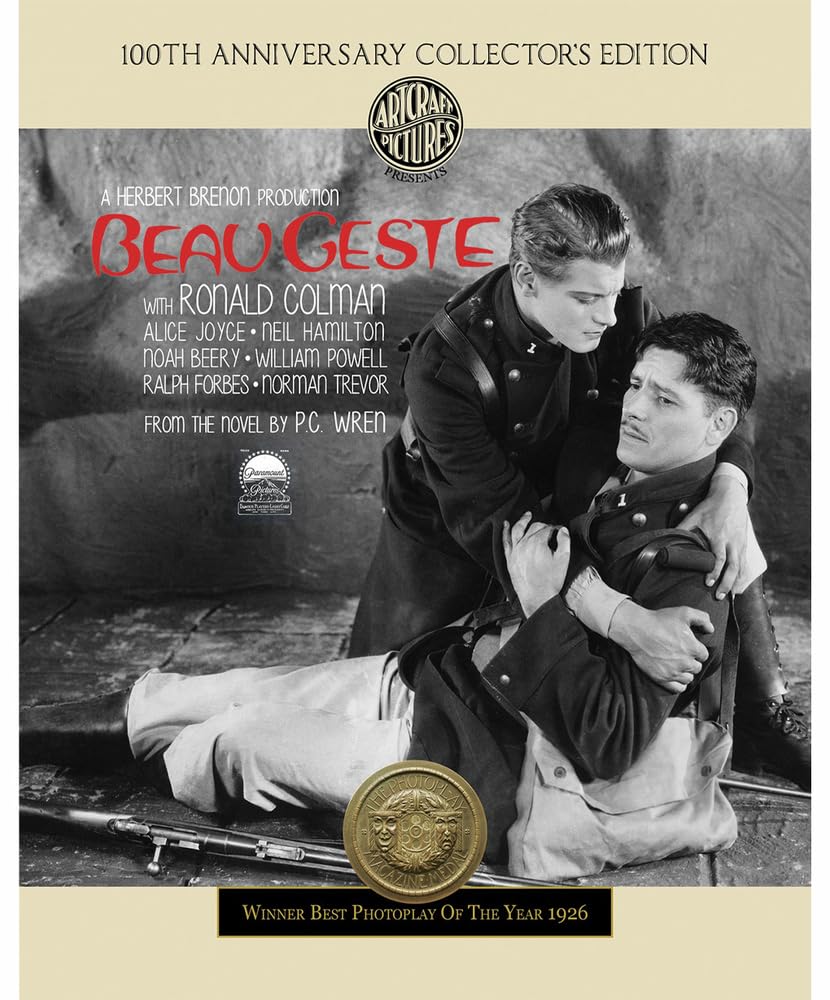
Think Beau Geste, directed by Sam Peckinpah, and you’re on the right track.

If you’d like an early review copy, want to be on my launch team, or just want to know more details as launch day draws near, Get on my mailing list.

More to come. Stay tuned

What do Histfic Readers Actually Like? Take a Poll For Me Please.

I had a conversation with someone the other day that left me a little shook, not gonna lie. I was telling this person (who shall remain nameless despite every vengeful nerve in my body screaming for justice) about my new book, The Deserter, and how I was having trouble finding a publisher for it. I expected sympathy. Maybe performative empathy. Lip service, at the very least. Anything but what I got.

“What do you expect? You’re writing about a time and place that nobody knows or cares about.”

EXQUEEZE ME???!

I was gobsmacked (a greatly underused word, IMHO.) I read historical fiction to learn about places and times I don’t know much about. Whether it’s the Nabateans (last week’s interview about The Stonecutter) or the fallout (literally) from the WW2 nuclear experiments at Hanford, I learn stuff (technical term) when I read historical fiction.

Turns out, this is not everyone’s experience. A good friend of mine reads almost exclusively about the American Civil War. Another is obsessed with the Tudors. (AUTHOR NOTE: Civil War 1.0 and British Royalty are my LEAST favorite historical subjects, but I try not to judge. I fail, but I try.)

While I certainly have favorite periods, I think a novel should be, well, novel. Give me a fresh take and tell me something I don’t already know. Maybe tell me my assumptions are wrong.

All of this leads me to a quick, painless poll. Put simply, When (or if) you read histfic, do you like reading about periods you’re not familiar with, the same couple of topics, or one in particular? I’m not even asking which one, just why do you read historical fiction?

You can take the poll here, and let me know. Please, help a brother out.

If you like reading about people and periods you might be unfamiliar with, I have some suggestions:

Count Byron de Prorok: archaeologist, showman and disappointment to most is the hero of The Count of the Sahara

What would life be like for a half-French, half-Syrian orphan in the Crusades? Acre’s Bastard, and Acre’s Orphans, the Lucca Le Pou Stories contain special bonus lepers!

Yup, that’s me. Historical fiction with nary a ruffled shirt or Johnny Reb in sight. Of course, if you want to know when I find a publisher for my dark Foreign Legion tale, you can get on my mailing list.

Sign up with the form on this page or you can use the QR code: