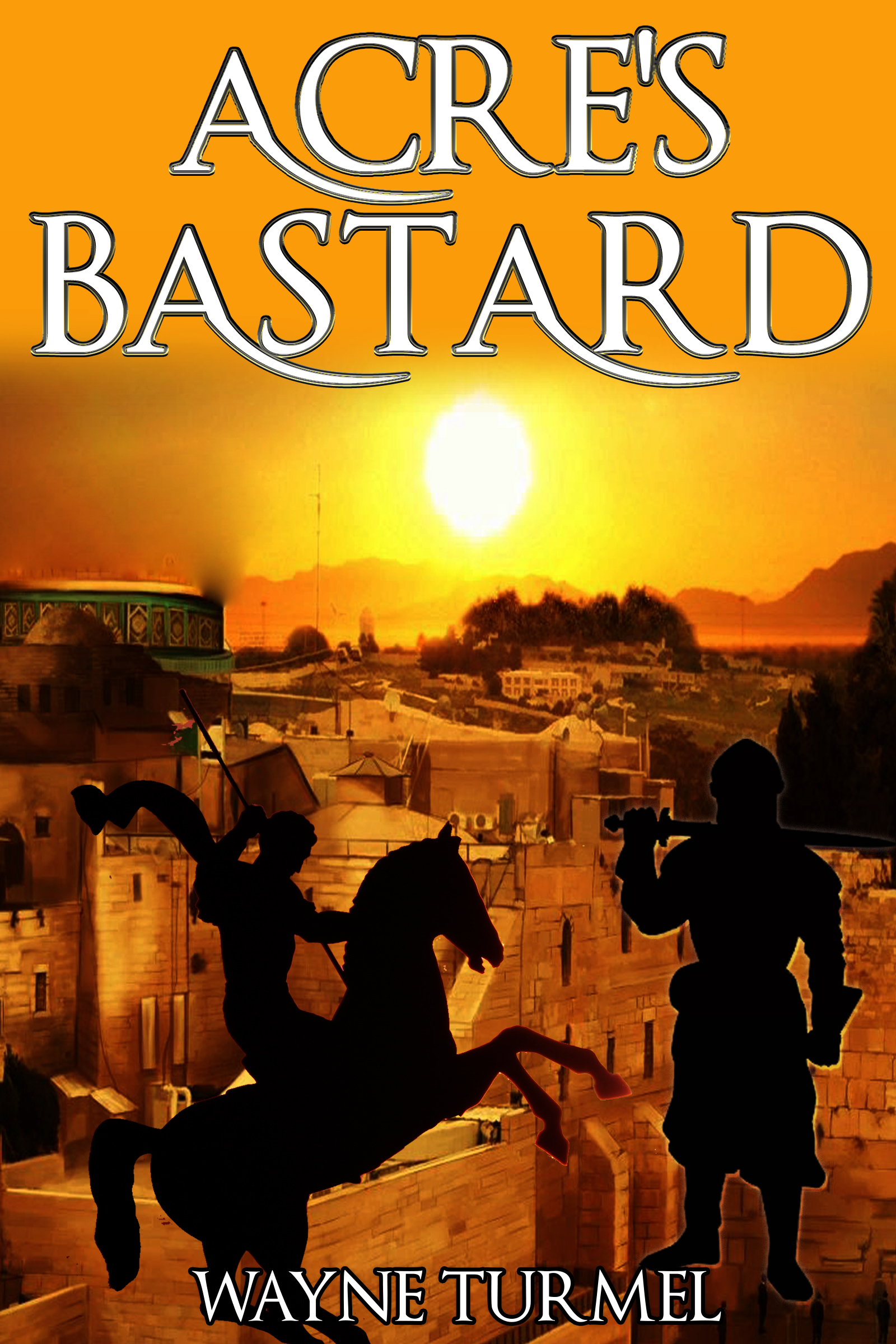
I have mixed feelings about New York City, but there’s no argument it’s changed the world like few places before or since. Harald Johnson has tackled the history of the island of Manhattan in a series of novellas. The first Manhattan Novella: 1609, is out now.
Sometimes I feel like such an underachiever when I do these interviews. What’s the Harald Johnson story?
I invent a new career for myself every 7-10 years, like a memory-challenged

cicada. Over the past 40 years, I’ve been a magazine publisher, Hollywood art director, ad agency creative director, photographer/filmmaker, marketing consultant, and of course, a writer across all those trips around the sun. And recently, I’ve turned my focus back to something I’ve kept hidden for a long time: fiction writing. Oh, and did I mention I like to swim? A lot. Not only did I win that around-Manhattan swimming race mentioned here, but I continue to swim regularly as much as I can. So water and swimming are recurring themes in my life, and in my writing.
What’s the story behind Manhattan: 1609? And don’t say it’s about Manhattan in 1609 because that’ll just tick me off…..
New York City continues to fascinate, but what is it about the story that resonated with you?
It turns out that I have a pretty unique connection to this NYC setting and a reason to write about its history. In the early 1950s, I immigrated to the U.S. as a child, tracing the exact same route into New York Harbor that Henry Hudson followed on his 1609 voyage. Thirty years later, I swam completely around Manhattan (it was a race), and an idea started to form. Treading water at the island’s tip, waiting for the ebbing tide to change, I wondered: What was this place like before? I mean, really like? Before the skyscrapers? Before the millions of people? What was it like when Hudson first sailed right by the spot where I now treaded water?




 the Thirteen Colonies who remained loyal to Britain during the American Revolution. She uses the backdrop of the conflict for page-turning fictional tales where the main characters face torn loyalties, danger and personal conflicts.
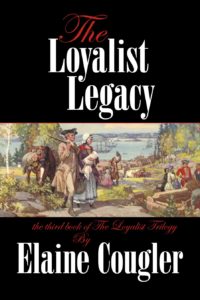 I have so many. There is one involving Catherine Garner and her ability to rise up and fight against a lynx that has come right up on her porch and grabbed a papoose from its cradle there. There is another where she is furious with William because of his treatment of his brother and in a flash of insight switches to empathy for the man she loves. I love the strength of Migisi and Kiwidinok, a Chippewa couple who represent the plight of the native peoples at this time in our North American history. And I love the scene from Lucy’s point of view at her granddaughter’s wedding and its subsequent denouement. All of these scenes and many more show the strength of these ordinary people who when circumstances demand become absolutely extraordinary. These are the ancestors of many of us lucky enough to live here now in North America.


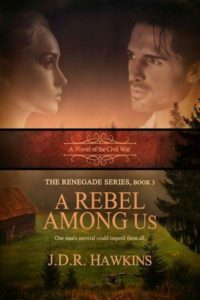
 JDR Hawkins is an award-winning author who has written for newspapers, magazines, newsletters, e-zines, and blogs. She is one of only a few female Civil War authors, and uniquely describes the front lines from a Confederate perspective. Her