Top 5 Characters I Want to Write About But Don’t Have the Nerve (and 1 I’m Writing Anyway)

When I wrote my first novel, The Count of the Sahara, it was because I became utterly obsessed with a real-life character. Byron de Prorok was the most fascinating human I’d come across in a long time, and yet, I didn’t know a single person who had ever heard of him.

In fact, if it wasn’t for archivist Michael Tarabulski (blessings be upon him), I wouldn’t have found the chutzpah to write the book. Frankly, nobody else on the planet seemed to care about this complicated, brilliant, talented, self-destructive, and infinitely infuriating guy. He was, quite literally, the stuff that great stories are made of.

Maybe because I didn’t know any better, I decided I would be the one to tell his story. I figured since nobody else cared, who would I tick off if I failed? The Count of the Sahara made its way into the world and kick-started my historical fiction career.
Since then, my filing cabinet has filled up with real-life people who would make incrediblenovel protagonists.

The problem? Sometimes I look at their actual lives and think: I don’tknow if I’m writer enough to pull this off. In the case of people from different backgrounds or genders, is it my story to tell?

Here is a list of five characters you probably haven’t heard of, all possessed of absolutely jaw-dropping backstories. In my fevered imagination, I would love to chronicle their lives, or at least some of the cool stuff. In reality, they intimidate the hell out of me.
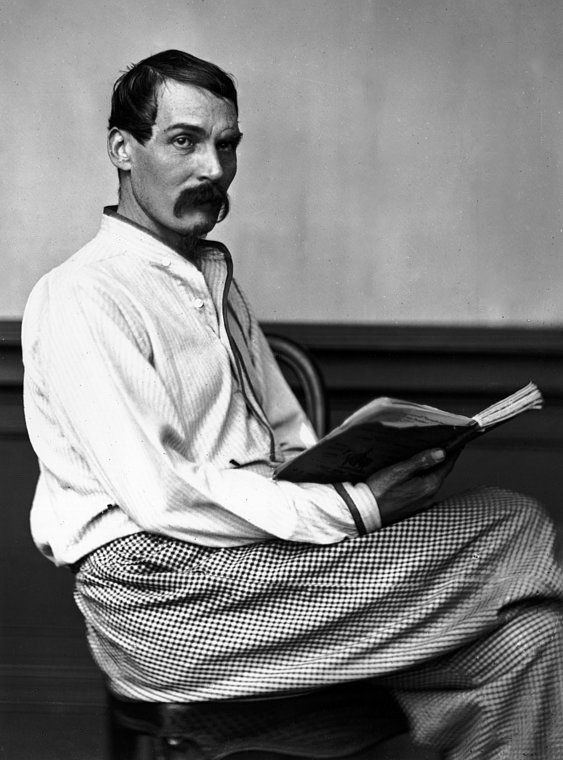
  1. Sir Richard Francis Burton Swordsman, linguist (fluent in 27 languages and dialects), explorer, minor pornographer, and a world-class pain in the ass to everyone who ever knew him—except for his fiercely loyal, wildly co-dependent wife, Isabel. He’s a biographical mountain that I’m still afraid to climb. How do you do justice to the guy you wanted to be when you grew up (without the being a complete A-hole part?)
  2. Florence Baker (And her husband, Samuel, but damn… Flo.) Born in Transylvania, she was orphaned and sold into the Ottoman slave trade, only to be purchased by a naive, wealthy English noble who originally just wanted to save her from a grim fate. She eventually married him and accompanied him to Africa on one of the most dangerous, insane missions ever conceived: to follow the Nile backwards, from its mouth to its source. Badass women are my kryptonite. Speaking of which…
  3. Kate Warne In 1856, a 23-year-old widow walked into the Pinkerton Detective Agency and demanded a job. She became America’s first female detective. Her career was a masterclass in espionage; in fact, it was her literal clothing that Abraham Lincoln wore when he disguised himself as a woman to escape the infamous Baltimore Murder Plot.
  4. Thomas-Alexandre Dumas Davy de la Pailleterie Known in his day as the “Black Hercules,” he was the father of the much more famous author Alexandre Dumas. Born to a French nobleman and an enslaved Black woman in Haiti, he rose to become the first person of color to command white troops in the French Army. He fought for (and then famously feuded with) Napoleon, and spawned two generations of France’s greatest literary dynasty.
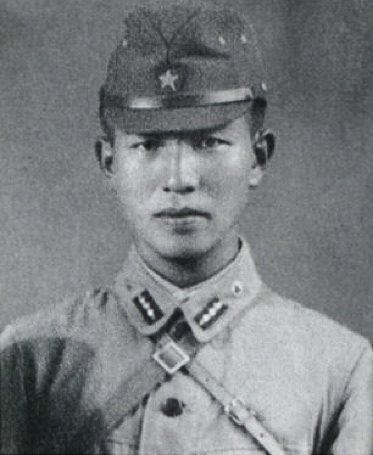
  5. Hiroo Onoda A Japanese intelligence officer so unyielding in his loyalty to the Imperial cause that he spent 29 years holding out in the jungles of the Philippines. He refused to believe WWII was over or that Japan lost. The crazy bastid didn’t surrender until his former commanding officer personally flew out to relieve him of duty in 1974.
The One I’m Writing Anyway… Vlad Tepes Dracul Yes, Vlad the Impaler.

Now, let’s be clear: this is NOT a vampire story. (Sorry, Johnny Lycan fans!) My new project is Vlad-adjacent. it asks a story that may or may not be relevant to today’s political situation: how far will a human being go before passion becomes power, power becomes madness, and what is it truly like to be trapped in that terrifying person’s orbit when it seems they’re your only choice for your country’s survival?

Over to You:
Which of these five historical wildcards floats your boat the most?
Who would you want to see get the full novel treatment next?
Let a brother know in the comments below!

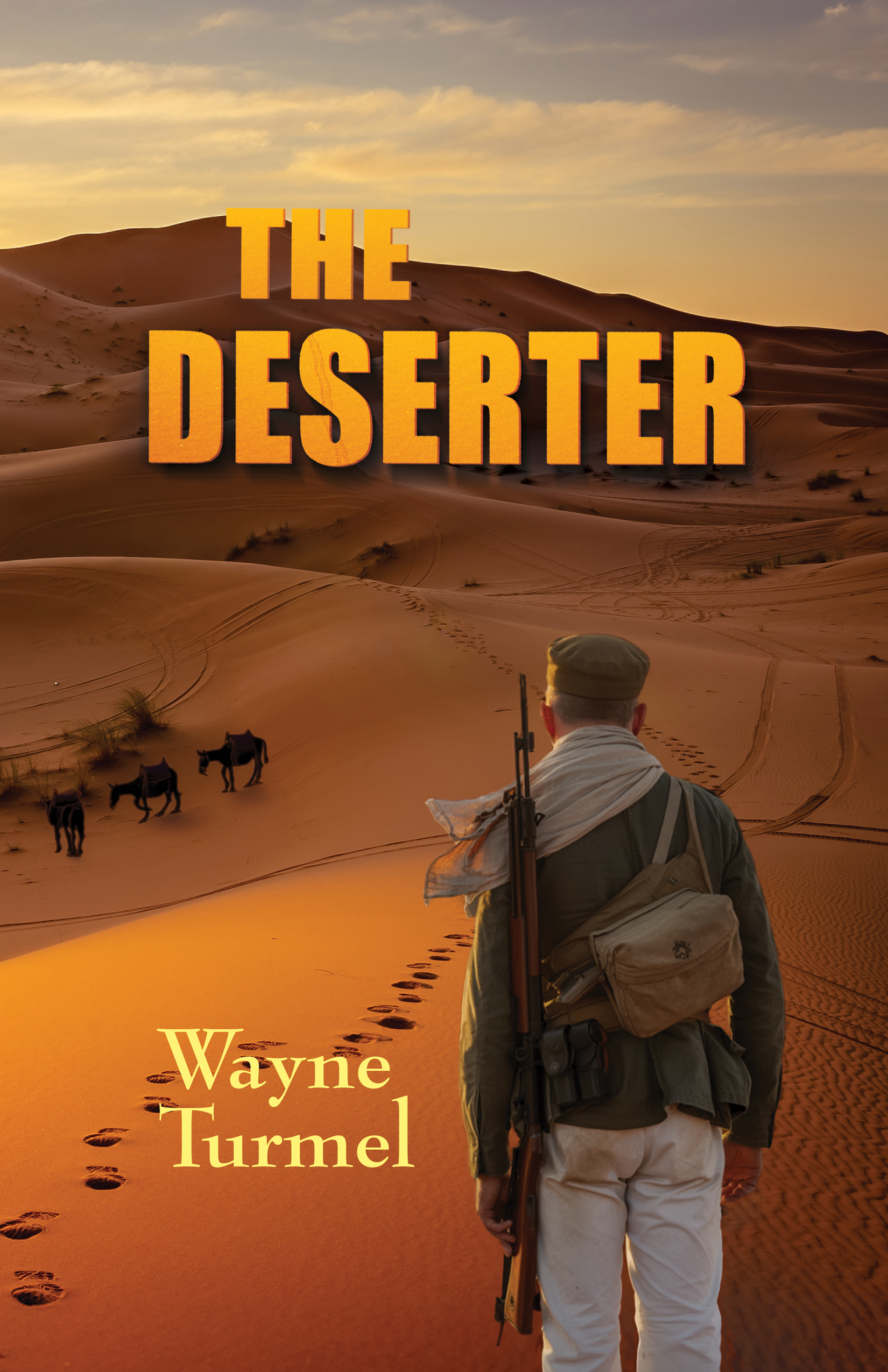
The Deserter- a Tale of the Foreign Legion, is “a remarkable, thoroughly researched, gripping tale. A two-fisted adventure set in the African desert.” Available in paperback anywhere, and on Kindle. While it doesn’t necessarily have a famous character, it is a kick-ass tale of the Legion at its peak.

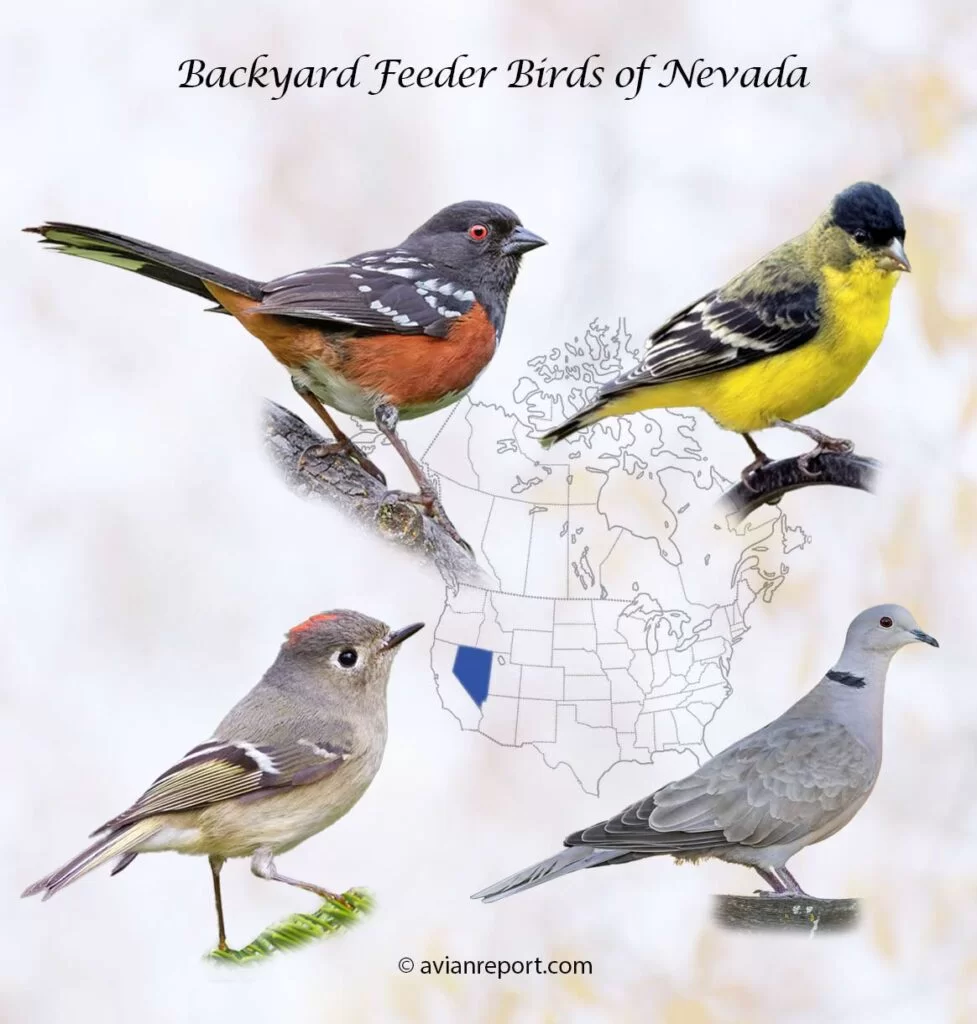
What Bird Watching Means to my Writing

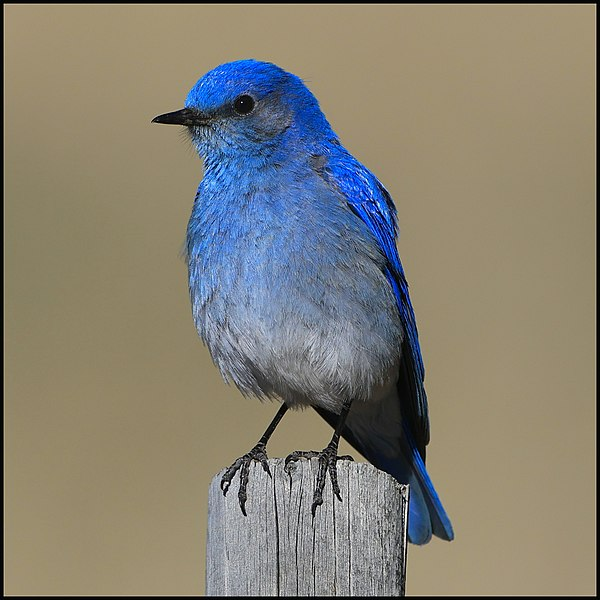
I have recently taken up birdwatching, albeit in a somewhat slovenly and lazy manner. I’m not yet that crazy person with the Tac-style binoculars and special squeakless soles on my shoes so as not to scare them off. However, I have begun watching, listening, and trying to identify the little critters, and that has impacted my writing. Stick with me.

Full disclosure. One seldom begins a hobby late(r) in life without some kind of defining moment. To me, that was when the Duchess looked me in the eye and said, “You need a hobby.” I think she meant it lovingly. There’s a more than zero percent chance she needed me to get out of the @#$^! house on occasion.

The first thing to determine was what I could do that isn’t very expensive. I’m a little late in the game for collecting Roman Antiquities or foreign sports cars. What do I enjoy doing? I’m pretty sedentary these days, but me and my new bionic knees do enjoy a good long walk. Okay, start with hobbies that involve walking but won’t sneakily try to turn into running or some other strenuous exercise. It can be a slippery slope

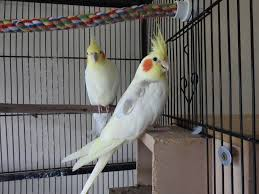
If you’ve been around since my Chicago days, you know I love birds. My officemate in Illinois was a very cranky cockatiel named Byron (after the Count in Count of the Sahara). He didn’t make the trip west, and I wish him

well in his new shangri-la cockatiel suite, his new owner has built for him. I was even a member of the Chicago Avian Society… or as my wife called them, the Bird Nerds.

Walking and birds pretty much limited the choices for me. But how does one just start birdwatching? You begin by looking online for like-minded people. Turns out there’s a monthly guided walk at the Henderson Bird Viewing Preserve. Then I found a nine-dollar pair of opera glasses… no sense investing in good equipment until I know I’m going to be serious, right? Finally, god bless modern technology, is the Merlin app (part of Cornell University and their big track-all-the-birds initiative.)

Using only vague descriptions or recording the songs, the app will help even an idiot like me distinguish between a tufted flycatcher and a mountain flycatcher. Instead of using a notepad, it will track all the birds I’ve seen and where and when I saw them. That first day, we saw 38 distinct birds. I was hooked.

Okay, okay. I’m at the point. I can’t drive to the bird sanctuary early in the morning as the day job must be performed. I do walk every morning, partly to clear my head and partly to clear out Mad Max, scourge of lizards, defender of the realm, and most manly of poodles. When I was in Washington, DC last month, I added to my list by paying attention on my walk from the hotel to the convention center.

Here are my rules for that walk, and I’m pretty strict with myself:

No earphones or earbuds. I instituted this rule quite some time ago. I don’t wear them at the gym either, and for the same reasons. I want to hear what’s going on around me. Who knows? I might hear a bird that needs identifying. More than that, I pick up snatches of conversation, or noises that need investigating. All of that goes in my writer’s brain and gets processed into dialog to use in the future. Conversations become story ideas (“okay, jeez, I cheated on her but it’s not like it was her mother or something…” is a prime example,) or just give my brain a chance to daydream and plot stories.

Pay attention to what you see, and keep your head on a swivel. When birdwatching, the little buggers can be elusive. Some of them are ventriloquists, of a sort. The whistle you hear may be coming from somewhere else entirely. Get your head up from your phone and constantly look around. This is also a guilt-free way to peek into neighbor’s yards, just saying.

And mere scanning won’t work. When your eyes get drawn to something, do you really see it? How would you describe it? It looks like a plain old chickadee but has a red spot on its breast. It’s a verdin, and I was able to add it to my list. I couldn’t have done that if I stopped at, “Huh, looks like a chickadee.” Then I add the sighting to my app as soon as I get home. Attention, description, documentation.

Don’t get impatient with Max, he might smell something you missed. In his incessant quest to devour every skink in the neighborhood, he indulges his poodle-y hunter instincts by snifing everything, all the time. The canine roomba occasionally flushes a bird or notices a strange song before I do. He also stops me from walking off curbs into traffic when my brain is otherwise occupado.

Taking what I hear and see, forcing myself to notice the details, then processing all that raw data is grist for the writing of a novel or story. It’s not just a mule, it’s a reddish, mangy Jackass with a canker on its top lip. Better descriptions paint more vibrant pictures. There’s a difference between “feathers” and “tufts of brown feathers on the crown, tipped with white.) Birding depends on that kind of specification. Otherwise, you come back and say, “Yup, saw a birdie today.” Doesn’t make a great story, and that kind of surface description makes for terrible art.

The Deserter has been the hardest thing I’ve ever written. It required lots of details to enhance the realism the story depends on, all the while describing a time and place I’ve never been. Using the very rudimentary birding skills I’m developing helps me bring things to their essence and really evoke an image, or a sound, or (in this book) a smell.

I think the novel is better as a result of this heightened attention I’m paying to the outside world. My writing in general is more descriptive and interesting. All because I aim to find that Say’s Phoebe that i used to see over on Desert Palm.

If you’d like your book or writer’s group to do a live talk or Zoom call on “what writers can learn from Birdwatching,” let me know.

Whether your tastes run to historical fiction or award-winning urban fantasy, check out all my work on my Amazon Author Page, and don’t forget to sign up for my newsletter.

Midwest Auto Racing and a Ripping Read with Marlis Manley

Like any historical fiction fan, I have my favorite periods to read about. I also have those about which I couldn’t care less (Civil War 1.0. Regency…) What I really enjoy, though, is reading about subjects I don’t know much about. Of course I’m less thrilled to find out some of those “historical” periods were around the time I was born. Ahem.

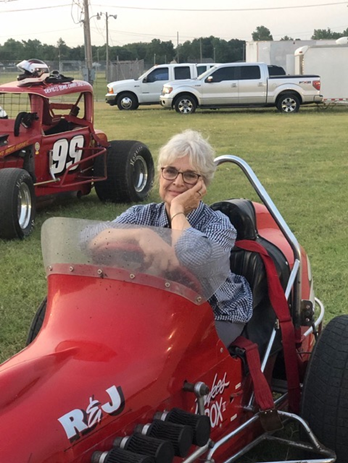
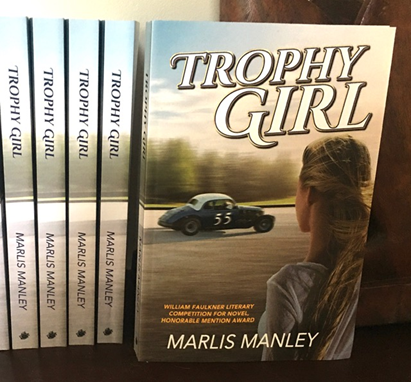
Fellow Black Rose Writing author Marles Manley Broadhead has written an engaging, entertaining and it turns out, deeply personal tale of auto racing in the middle of the 20th Century. Trophy Girl is a fun coming-of-age tale. I’ll let her tell you about it.

Okay lady. Who are you, and what’s your deal with auto racing?

I was 17, finishing my first semester at Wichita State University, when a family friend asked what I planned to do with my life. I said, “I want to be a writer.” My stepfather, who overheard, turned to us and said, “You can’t be a writer,” as if I couldn’t be serious. And I got it—no one was beating down the door of a white bread, midwestern teenage girl with a midnight curfew for thoughts on the human condition. But I’d written my first book at 10 (a school assignment) and developed an irreverent enough sense of humor to become the family’s funny-poems-for-occasions go-to gal. So I kept taking classes, and eventually I enrolled in their MFA program.

Not long after I started publishing poems and then short stories, my stepdad laughed self-consciously and said, “I guess you’ve proved me wrong.” But I wasn’t feeling it yet. As Vivian in the movie Pretty Woman says, “The Bad Things Are Easier To Believe. You Ever Noticed That? It was 32 years after starting my debut novel, Trophy Girl, I got brave enough to send it to a small but rapidly growing publisher, Black Rose Writing. The story inspired by none other than my step-father’ decades-long dirt-track racing career, and  received the William Faulkner Second Award for Novels.

I remember as a kid going to dirt-track stock car races in Canada and having a blast. What’s Trophy Girl about?

It’s summer 1957, and when

fourteen-year-old orphan Sandy Turner goes missing—along with one of her late mother’s hidden scrapbooks—Aunt Maggie can think of only one place the girl might have gone. Frank Haggard, the race-car driver in those yellowing news clippings, assumes the girl claiming to be his daughter is a fan acting on a dare—until Aunt Maggie tracks them down. Memories of his annulled marriage to Maggie’s sister flood over him, and the timing couldn’t be worse. With the first-ever National Championship for stock cars a week away, the last thing he needs is a child-custody battle with Maggie—as determined as she is beautiful. When the car he’s planned to pilot is turned over to a younger driver, Frank and Maggie make the riskiest deal of their lives—her savings for a race car, but if Frank wins, he gives up any claim to his daughter.

FunFact: My step father won that first national in 1957, and again in 1958 and 1968. Trophy Girl launched at the 64th  running of the Grand Nationals at the Fairgrounds in Hutchinson, Kansas. There’s a photo in the back of the book of him standing beside the famous Blue No. 55 with the trophy sitting on the hood.

Another FunFact: My father, stepfather, and uncle were all race car drivers named Frank and knew each other. My father Frank Manley raced with Sports Car Club of America, my stepfather Frank Lies raced stock cars and super-modified, and my uncle Frank Dickerson raced midgets. I spent hundreds of weekends in grandstands eating track dust while glued to the action on the tracks and straining to hear the “grown-up” conversations my mother carried on with other wives and girlfriends. Those memories and a long shelf of scrapbooks took care of my research, plus I relied on subject-matter experts for particulars. These were men who had raced with my stepfather and whose incredibly extensive knowledge and memories made it possible for me to write even more authentically about those races, cars, and men who were local and regional heroes.  

Totally unfair question, but it’s my blog and I can do what I want. What’s your favorite scene?

While I loved working out the coming of age, conflicts, and romantic elements of the novel, I have to say writing the descriptions of the six races along the circuit to the national was some sort of total immersion experience. I love hearing from drivers who say the action and emotions in those scenes are exactly how they remember it—the taste of grit, smell of hot oil on a track that gets harder and slicker as the night wears on, the sparks of metal skidding along a concrete wall, vibrations as cars “trade paint” until one pulls ahead or one or both spin out of control. And yet, the scene that made a guy friend of mine cry was the quietest moment, when near the end of the book, after all the subterfuge, confusion, and legal difficulties, with nothing yet resolved, Frank walks up into the grandstand just before the grand national races begin and fastens a chain with a small gold cross around Sandy’s neck—the only thing left behind when her mother’s family kidnapped her away from him and ended the marriage.

How can people find you and learn more?

Like most authors today, I’m wafting about in the ether (see links below to your favorite satellites), with my home base my website: https://marlisbroadhead.com. There you can check out reviews of Trophy Girl as well as my nonfiction book Is that Your Mother Calling? Advice that Echoes Down Through the Ages (based on hundreds of poignant, hilarious, and even wacky responses to a survey I sent out while teaching written communication at Iowa State University.) There are also samples of my poetry, some novel excerpts, and a link to my blog, https://heartlandstoriesandpoems.blogspot.com

 And of course you can sign up for my newsletter, Musings & Mirth, and visit my Book Shop where you will also find my poetry chapbook, The Mendocino Poems, began when I taught on the coast and started the Mendocino Coast Writers Conference (https://mcwc.org). This will be its 35th year, July 31st through August 2nd,  and while I feel fortunate to be writing fulltime now on a modest horse ranch in Kansas, I’m always eager to return to the redwoods and incredibly beautiful Mendocino coast.

https://linktr.ee/marlismanley

https://www.facebook.com/marlismbroadhead

heartlandstoriesandpoems.blogspot.com

https://www.instagram.com/marlismanleybroadhead_author

Whether your tastes run to historical fiction or award-winning urban fantasy, check out all my work on my Amazon Author Page, and don’t forget to sign up for my newsletter.

History is Made of Real People- I Can Prove It

Before I decided to write about werewolf detectives and psychic pawn brokers, I wrote my first novel. It was based on someone I was obsessed with, Byron De Prorok. That obsession turned into The Count of the Sahara.

When you write historical fiction, it’s easy to get caught up in the history part of things and forget that you’re telling the stories of real people. They have lives. And families. And grandchildren, as it turns out.

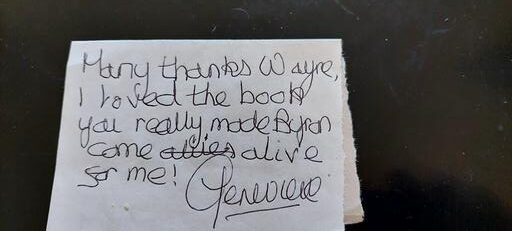
That brings me to something I haven’t shared with many people. Earlier this year, I received a lovely email from a woman in South Africa, named Genevieve Manderstam. Turns out, she’s Byron’s granddaughter.

Her mother and aunt were taken away from their father when they were very young and even had their names changed, so Genevieve knew only the tiniest amount about her famous grandfather, and not much of that was nice.

Here’s the kicker. She thanked me for telling his story, warts and all. It meant a lot to her. Given it wasn’t a completely positive tale, that should tell you where my boy stood in relation to the family.

Recently she sent me this hand-written note which means a lot.

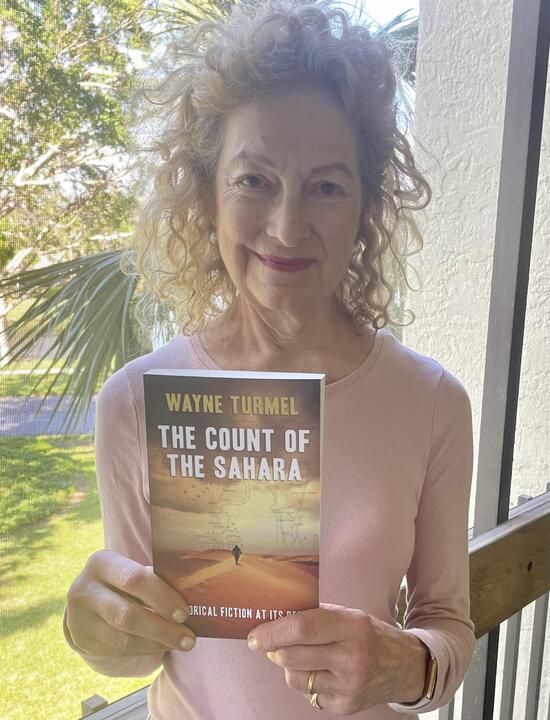
She also sent me a picture holding my book. Look at that smile.

As a writer, this kind of stuff makes me happy. Certainly happier than if Johnny Lupul ever has kids. Them, I’m not sure I want to meet…..

I Finally Caved and Have a Separate Facebook Page for My Writing

Ever since I started writing fiction and nonsense, I’ve been told I needed a separate Facebook page for that purpose. Until now I’ve resisted because keeping up with Social Media is freaking exhausting. Between the grind of the day job and my fiction addiction, I spend too much time tweetfacelinkblogging as it is.

But, with Johnny Lycan 2 coming out soon (December 8 to be specific, but who’s counting?) it is time to make sure I can promote my work without annoying the people on my personal Facebook page. For purely mercenary reasons, mostly so I can advertise my work, I needed to bite the bullet.

So (trumpets blare) I introduce you to my Facebook Author Page with the very clever and inventive name, Wayne Turmel Author. If you’re inclined, please like it and follow me. Over the next few months, there will be special posts, contests, and a chance to win signed copies of Johnny Lycan and the Vegas Berserker.

Stop by, like the page, and tell your friends. If you care about my personal life, yeah, you can still follow me on my regular page, but this is my big-boy author page. Enjoy and welcome to my orbit.

The Count of the Sahara Turns 6 Years Old This Week. (The Book, Not the Guy)

6 years ago today, my life changed forever. My first novel, and 6th book overall) The Count of the Sahara was published by Erik Empson (peace be upon him) at The Book Folks in the UK.

For the uninitiated, this is the real-life (mostly) story of a character I’ve been obsessed with for years: Count (cough, cough) Byron Khun de Prorok. He was an amazing mix of ambition, brilliance, talent, chicanery, and failure. How many archaeologists from the 20s have their own IMDB page?

For those of you who haven’t read it, it’s a pretty ambitious first book. It alternates between the imaginary story of Willie Braun, a young German-American teenager who becomes the driver and assistant for a charismatic archaeologist on a tour of the US Midwest in 1926. Then it flashes back a year to an ill-fated, well-documented expedition to the Algerian Sahara. We see how the tale de Prorok is spinning doesn’t quiiiiiite match the reality.

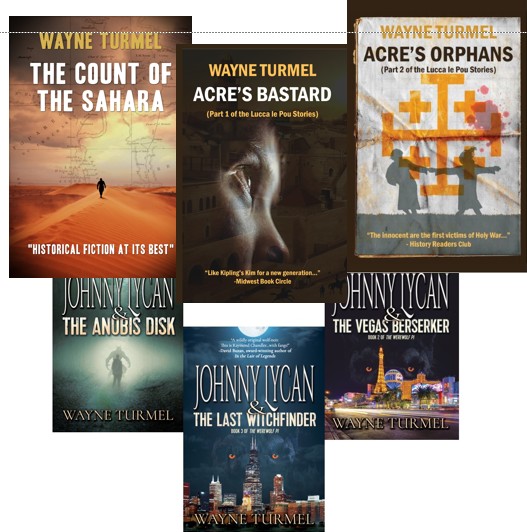
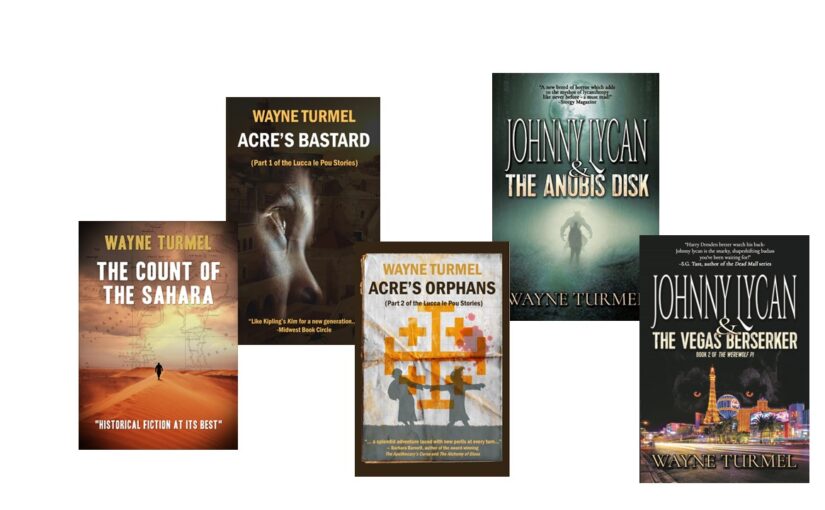
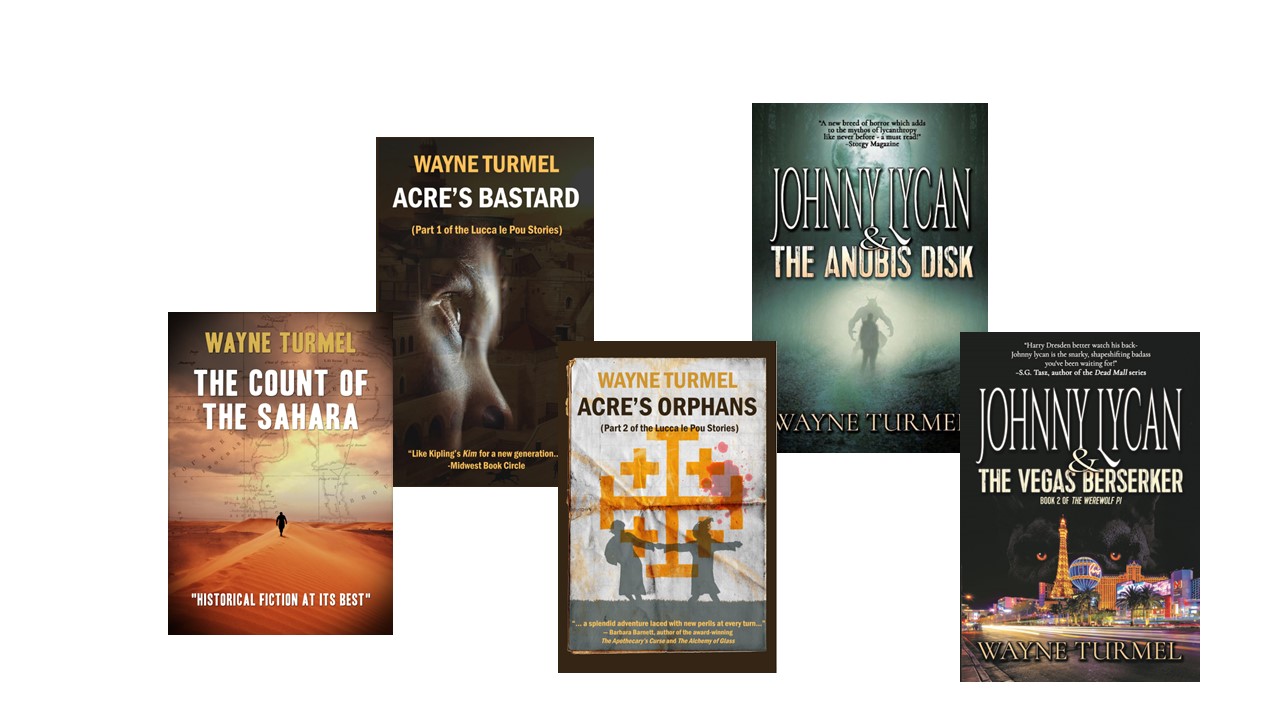
In the 6 years since publication, a lot’s happened. I’ve written 2 business books, The Long-Distance Leader and The Long-Distance Teammate. I’ve also written 3 more novels ( Acre’s Bastard and Acre’s Orphans, as well as Johnny Lycan and the Anubis Disk) and the sequel to Johnny Lycan is almost finished. You can see them all on my Amazon Author Page.

Whenever I beat myself up for not being faster, I allow myself to think about putting out 6 books in 6 years. I’m not James Patterson, but not bad for a 60-year-old with a day job.

Byron has given me the chance to speak and be interviewed dozens of times on the subject of this fascinating character. My favorite moment was when I heard last year from his Grand-daughter, thanking me for telling his story (as warts-and-all as it is.)

This book began my career (or whatever this is) as a novelist and I’m not stopping anytime soon.

If you have read the book, a million thanks.

If you haven’t, what’s keeping you? You can order it directly from the publisher, you can find it on Amazon worldwide.

If you want a SIGNED copy of the paperback, please drop me a line. You can get one for $15 plus shipping (if you’re outside the US it ain’t cheap) and you can pay me by Paypal or Zelle. The same is true if you want signed copies of any book, but today is about giving Byron his due.

Thank you for joining me on this journey. I ain’t done yet.

My Week with Harry Anderson

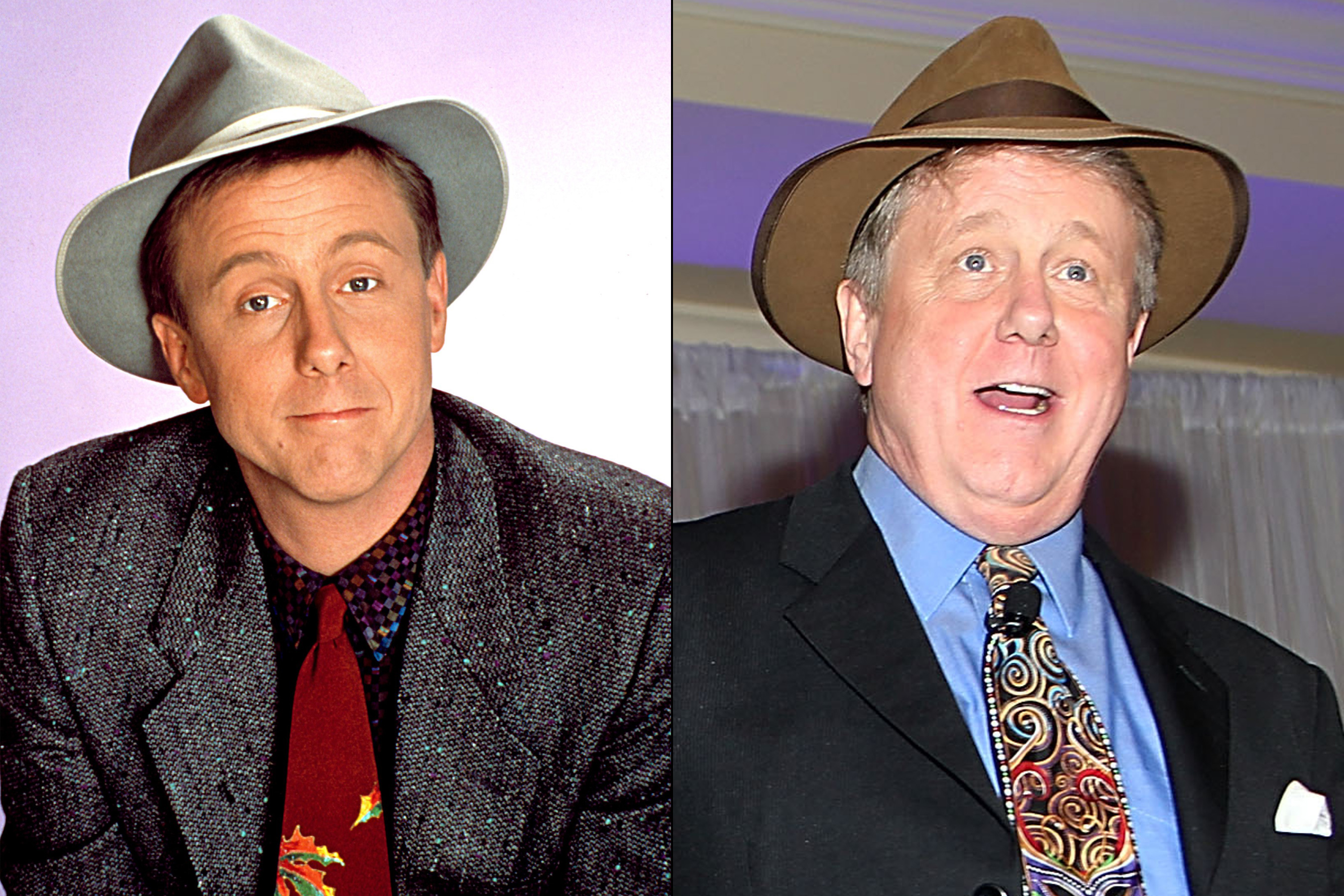
Image result for Harry AndersonWhen you reach my age, the passing of people you’ve known becomes a part of life. In fact, Facebook is good for only two things: knowing your life turned out better than your ex’s and learning when people from your past die.

Most people know Harry Anderson from the sitcom Night Court, but I met him back in 1982, when he was excited because he was going to be a regular on a “new show that might last a season or two,” that went on to be Cheers.

I was working my first time ( in the US illegally, under the table, and underage) at the Comedy Underground in Seattle, Wa. Back in the day you usually had to share a “condo” with the other acts if you weren’t local. That meant poor Harry, the headliner, had to share an apartment with a young act he knew from San Francisco, and some weird ginger kid from Vancouver. That would be me.

In that week, not only did I discover what a kind, humble and hard-working act he was (for someone who was already a big star in the stand-up world and about to break out) but I learned some valuable lessons that stayed with me my entire professional life, in and out of show business.

  • Treat the staff like gold.  On Keith Tomasek’s “The Inadequate Life” podcast, I was asked why everyone remembers me as such a nice guy and so easy to work with.  (I’ll post the link when it airs, I promise) Looking back, I never really thought there was another way to be. But working with Harry, I remember he told me flat out, “Treat the staff like gold. They will make or break your week, and you want them to remember you.”  He did just that, and I never forgot that advice.
  • Old fashioned southern manners aren’t just a Southern thing. Harry treated everyone he met in the club as “sir” or “ma’am” until instructed otherwise (and he was always instructed otherwise- people loved him.) He also always told me to call waitresses “darlin’ ” –a habit it’s taken me years to break, but not all advice is evergreen.  He always read a person’s nametag and called them by name, something I do to this day and wrote it into the character of Byron de Prorok in The Count of the Sahara. The point was to be polite but not obsequious and people would treat you the same way- and boy did they.
  • Always work a hustle. Harry grew up on the streets of New Orleans, and his entire magic act was a take on the street hustlers and con men he knew. He never (to my knowledge) used his powers for evil, but I also saw fewer men work so hard. Most comics on the road do the promotion necessary, but you can still work a full schedule at a comedy club and have 20 hours a day to kill. Harry spent every day in Seattle visiting magic stores. He designed magic tricks, and he’d pop in to get the stores to buy his latest invention, or his newsletter, or just to know he was in town and drum up an audience.  I tagged along as he rose early every day with a printed list of every magic and joke shop in the area. I gawked and basked in reflected glory as he got treated like royalty everywhere magicians gathered, and was one of the most respected people in his craft. He’d been poor and had no intention of ever being that way again so he hustled his skinny butt off. He was a good role model in that regard.
  • It doesn’t hurt to be nice to the opening act. Harry was a pleasure to hang out with- and he didn’t have to be. He could have objected to being cooped up in an apartment with two young idiots, but he seemed to enjoy the big brother role (although there was a hysterical practical joke on the other comic I’ll remember to this day and take to my grave.) He treated us as peers. We’d write jokes (he actually did 2 of the jokes we wrote that week on Saturday Night Live a couple of weeks later and I bragged about it for years) and laugh. There may have been alcohol involved.
  • I’d be lying if I didn’t admit I stole the hat thing from him. At various times in my comedy career, I’ve worn suspenders and arm garters, totally inspired by Harry’s style. I always talk like a bit more of a hick than I really am, because you could sneak up on the suckers. I also noticed that his trademark hat made him instantly recognizable, and even years later people would talk about “the magician with the big hat” and I knew who they meant. Plus it was cool.

It was only a week. While we crossed paths once more after that and he was kind enough to sort of remember me, he made as big an impression on my comedy career and what came after as almost anyone from that time.

He passed today, and like so many people he probably has no idea of the impact he had on this kid he shared an apartment with and helped clean up the peppermint Schnapps puke. God love him.


A Jack London-Harry Houdini Love Triangle: Rebecca Rosenberg

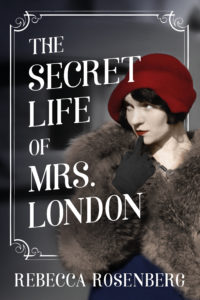
If you’ve read The Count of the Sahara, you know my fascination with real-life characters who behave in ways so crazy you’d think someone was making it up. So when I found Rebecca Rosenberg’s book, “The Secret Life of Mrs. London” I was intrigued. I mean, the wife of the world’s best-selling novelist (Jack London) having an affair with Harry Freakin’ Houdini? And it really happened? I had to learn more.

BTW the title of this post was originally “A Harry Houdini/Jack London Love Triangle With Rebecca Rosenburg,” but I realized that probably read wrong and would probably upset Mr. Rosenberg. Punctuation and grammar matter, people.

So Rebecca, what’s your deal?

I live on our lavender farm in Sonoma, California, which Jack London named Valley of the Moon, and wrote his books. My first book was Lavender Fields of America, a non-fiction coffee table book. Recently, our farm was destroyed in the Sonoma/Santa Rosa fires, but we are rebuilding and replanting as we speak! I am fascinated with remarkable people who lived before us and their improbably, fantastical stories. That’s why I write biographic historical fiction.
Oh my gosh. I have nothing clever to say to that except I’m so sorry. Tell us about your book…

Jack and Charmian London

The novel starts in San Francisco, 1915, just as America teeters on the brink of world war. Charmian and her husband, famed novelist Jack London, struggle under the strains of marital discord, brought on by infidelity, a lost baby, their dream home destroyed by fire. (There’s a creepy coincidence don’t you think?)  Charmian longs to be viewed as an equal partner who put her own career on hold to support her husband. But Jack doesn’t see it that way. Until, Charmian is pulled from the audience at a magic show of the beguiling escape artist, Harry Houdini, a man enmeshed in his own troubled marriage. And suddenly, charmed by the attention Houdini pays her, entranced by his sexual magnetism, and drawn into his mysterious undercover world, Charmian’s eyes open to a world of possibilities that could be her escape

I share your fascination with this period of time. What makes it so intriguing?

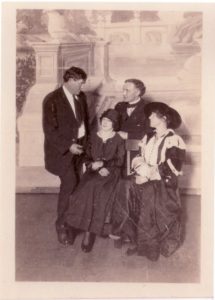
The Houdinis and the Londons…. probably an awkward evening.

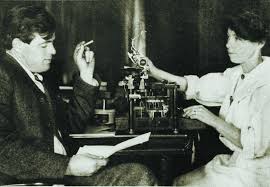
I wanted to write about Jack London, the most popular, highest paid author of the early 1900’s, who wrote 50 novels in 20 years with the help of his muse, editor and typist, Charmian London. The couple was as unconventional, free-loving, and bohemian as they were adventurous, building a ketch and sailing around the world in 1907, encountering the Lepers of Molokai, cannibals and headhunters. They created a utopic 1400 acre Beauty Ranch in Glen Ellen, California, complete with pig palace, one-hundred thousand tree eucalyptus grove, prize winning Shire horses. All the while entertaining guests as diverse as Socialist cronies, Mother Jones, Upton Sinclair, Clarence Darrow, to famed botanist, Luther Burbank, to Ed Morell, the prisoner who inspired The Star Gazer.

But, when I discovered the little known fact that Charmian had an affair with Houdini, I knew the story had to begin there. Houdini was the most famous magician of his era, but his mystery only starts there. Houdini traveled Europe performing for the Tzar of Russia and the German Chancellor, and reportedly spied for our government.

Nothing could hold Houdini- no safe, no jail cell, no chains or locks… yet he wrote Charmian:

“I now understand how kings give up their kingdom for a woman. I love you.” Houdini wrote her passionate letters until the end of his life.

What was your favorite scene to write?

It was fascinating to depict Houdini’s iconic illusions and escapes, and include the Londons in them. But perhaps, I love how the novel starts with Jack and Charmian boxing! They loved to box, and it is symbolic of their relationship and how it binds them, yet tears them apart.

Where can people learn more?

I would really appreciate readers to review the novel on Goodreads!

http://www.rebecca-rosenberg.com/

https://www.amazon.com/author/rebeccarosenberg

https://www.facebook.com/rebeccarosenbergnovels/

https://www.goodreads.com/book/show/35655162-the-secret-life-of-mrs-london

Subscribe to my monthly newsletter and get a chance to win a signed paperback copy of Acre’s Bastard.  Each month you’ll receive links to interviews with great authors, news about upcoming events and previews of my work in progress, Acre’s Orphans. Look in the bottom left of the page for the sign-up sheet. No spam, just once a month updates and a chance to learn about great new Historical Fiction from around the world. Everyone who signs up before January 1 enters to win!

Come Out and Meet Me in October

I will be part of a lot of book events in the next few weeks, and would love it if people would come meet me (and even buy a couple of books if you are so inclined.) I will have plenty of paperback copies of both Acres and The Count of the Sahara.

Here is what is happening over the next little bit:

October 7 is the Oswego Literary Festival at the Oswego Public Library (Oswego

The Count of the Sahara is now available in Kindle format. Also available in paperback from Amazon or direct from the publisher.

, IL) 20 Local Illinois authors will be on hand to sell/sign/bother strangers about their books. 9 AM-1 PM

October 14 9AM-1 PM Plainfield Public Library Indie Author Day (Plainfield Illinois, Library. There are way more independently published writers in Illinois than you can even imagine. Come join us!

Reading On the Rail at the 2015 Rivulets launch

October 14 1PM-4PM The Naperville Writers Group will hold its annual Rivulets Book Launch. Every year we do an anthology of the best writing from the group. My short story, “Through the Arbor Vitae” will be included. Join us at the 95th Street Library in Naperville. (Of course, you can read the story on my site, by clicking here.)

October 15 Hometown Reads and Centuries and Sleuths presents #readlocalshoplocal I am proud to be hosting this gathering of Hometown Reads authors at Centuries and Sleuths in River Forest, IL. We will read and share our books with pretty much everyone who pops in. If you enjoy meeting and discovering new writers, this is the event for you. If we need to bribe you, there will be snacks.

I will also be sharing plenty of tips for aspiring writers about selling eBooks. As a writer, it can be all too tempting to think that once your eBook is written, then the hard work is done. However, selling copies of your eBook is an entirely different process these days. So, if you have always wanted to learn about some of the best digital e-commerce platforms for eBook authors then this is the event for you. Similarly, if you would like to learn more about some of the latest digital e-commerce software, you can find some useful resources over on the FastSpring website here: https://fastspring.com/solutions/selling-digital-products/.

Please stop by and say hello. I love meeting readers (even those who do not buy my book, although I may steal a lock of hair for a voodoo doll, you will not even miss it)

From Roses to Tudors-Samantha Wilcoxson

Readers of historical fiction tend to gravitate to certain periods. There are huge clumps of writers and readers fascinated by The US Civil War, World War 2, and One of the hottest trends the last little on both TV, the movies, and novels has been the Tudor period. Cable TV is littered with torn bodices. I will confess somewhat ashamedly, I have somehow missed the boat. If sheer numbers are any indication, there are a lot of people out there who find that time more fascinating than I do.

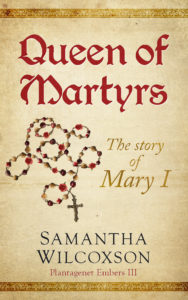
Enter Samantha Wilcoxson, and her Plantagenet Embers trilogy. The latest installment, Queen of Martyrs is now out.

Samantha, you and I are both members of the Historical Novel Society (join us on Facebook here). What else should we know?

Samantha Wilcoxson

I’m the author of the Plantagenet Embers Trilogy. An incurable bibliophile and sufferer of wanderlust, I live in Michigan with my husband and three teenagers.

Three teenagers? That explains your obsession with family blood-letting and intrigue. What’s Queen of Martyrs about?

Queen of Martyrs is biographical fiction that transports the reader into the life of Mary Tudor. The story begins with her receiving the news of Margaret Pole’s execution in 1541 and follows her through the rest of her life as she struggles as a bastardized princess who finally becomes queen. My objective was to humanize the woman that many people today dismiss as ‘Bloody Mary’. There is so much more to her character, and many of the ‘facts’ people believe about her are no more than myths. My research made it shockingly easy to find sympathy for Queen Mary I.

As England’s first queen regnant, Mary faced many challenges, which she was, quite frankly, unprepared for. She failed to realize how great the outcry would be against her choice of Prince Philip of Spain as a husband. She did not recognize the great religious changes that were taking place throughout the world and that could not be ignored or reversed. Mary was a devout, caring woman, but she was no politician. In this intimate portrayal of her, readers are invited to enter her world, share her heartbreaks and victories, and gain understanding of this complex sixteenth century woman.

I confess I’ve kind of missed the whole Plantagenet/Tudor thing. What’s your fascination with this period?

Some readers might be surprised to discover that the Tudor era is not my first love. It was the Wars of the Roses that captivated my attention, but I was looking for a new angle that had not already been written about. That was how I began with Elizabeth of York in Plantagenet Princess, Tudor Queen. I had not planned a trilogy, but the story of the York remnant unfolded in front of me, ending with Reginald Pole at Mary’s side in Queen of Martyrs.

The fifteenth and early sixteenth centuries are interesting not only due to political upheaval, but the impact of religious changes that forced people throughout Europe to evolve in their thinking and way of life. The heavy influence of faith on daily life is difficult to wrap the modern mind around, but that is just what I appreciate about studying the medieval and reformation eras.

Without giving away the good bits, what’s your favorite scene in the book?

One of my favorite scenes in Queen of Martyrs takes place during the reign of Edward VI. This was a turbulent time for Mary as she watched the country she loved falling into heresy. At that point, she had no reason to believe that she would become queen. She was her brother’s legal heir, but he was much younger. In this scene, Mary has the opportunity to escape England with the help of Holy Roman Emperor Charles V. This is when Mary decides that she must remain in England and do what she must to save her brother and all Englishmen, though she may be forced to pay the ultimate price.

It is a great misconception that Mary’s attempt at counter-reformation was based on bitterness or a need for revenge. Mary truly believed that she was doing what was necessary to ensure that her people enjoyed eternal life in heaven, and I think this scene gives readers a poignant view of Mary’s true motivations.

Where can people learn more about your work?

The best place to find me is on my blog. I also invite everyone to follow me on Twitter, Facebook, Goodreads, and Instagram. Besides bookish news, I share a wide variety of history articles and images of historic places that I visit. I love to share my tendency toward bibliophilia and wanderlust with friends!

My books are available in paperback and on Kindle on Amazon. They are also free with Kindle Unlimited!