
Few countries had as seismic a 20th century as China. World wars, invasion, revolution, counter-revolution… In her novel, Daughters of Yangtze, first-time author Chun Xiao Bleau takes a big swing to tell the tale of average people caught up in history’s path.
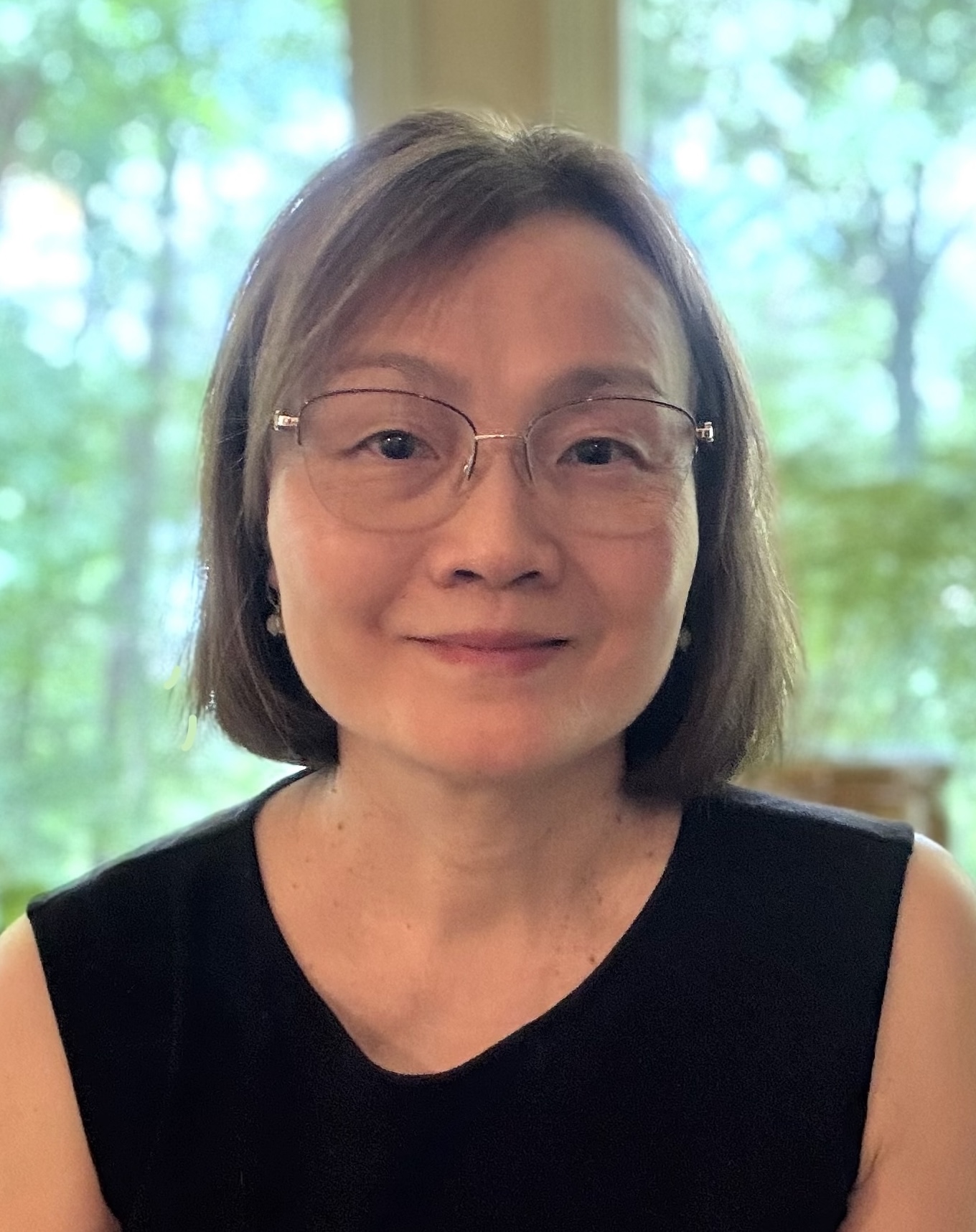
Chun, welcome. Tell us about yourself.
I am not your typical writer. In fact, I don’t even dare call myself a writer without a slash and something else after it. I was trained as a scientist, and during my doctoral training I realized I liked building the software and instruments for research more than the research itself. That’s what I ended up doing for the next few decades. But writing was always in the back of my mind. I grew up in China and came to the States for graduate school, and it took me many, many years to feel that my English was good enough to write something publishable. So here I am, with my debut novel Daughters of Yangtze.
This is an ambitious book. What’s it about?
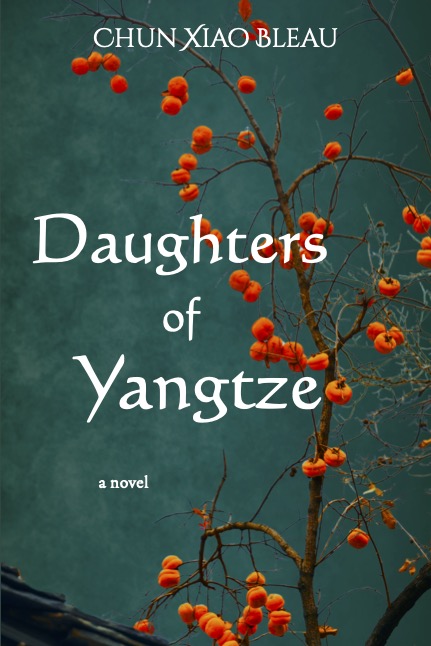
Daughters of Yangtze is about two sisters, Mingyan and Shuyan, who grow up together in the shadow of the Japanese invasion, only to be separated by revolution and the authoritarian rule of Mao’s China. Mingyan flees to Hong Kong and builds a new life, but she never stops searching for the family she left behind. Shuyan remains on the mainland, quietly enduring the upheavals of Mao’s rule while raising a daughter who knows nothing of her own history. The story spans four decades and three generations, from a quiet town near the Yangtze River to Beijing and Hong Kong.The novel was inspired by true stories and personal experiences, and it traces one family’s journey through one of the darkest chapters of modern Chinese history.
Clearly, this story has personal roots for you and your family.
The book covers 1938 to 1981, one of the most turbulent periods in modern Chinese history, and one I know both firsthand and secondhand. I am about the same age as Shuyan’s daughter, Lingling, and I lived through the later decades myself. The earlier years came from stories I heard from my parents and relatives—the war with Japan, land reform, and more. The characters I created represent the ordinary people of that time, who rarely appear in history books but carry the full weight of history. I wanted readers to see those years through their eyes.
What is your favorite scene in the book?
It’s hard to pick just one. One scene I’d like to point out comes in the second half of the Prelude. After a meeting with a Communist representative to decide which landlord or capitalist neighbor should be executed, Butcher Wang returns home to his wife, feeling dejected. He tries to explain what Communism is about, and the two of them have a long argument over how they should treat their capitalist friends under the new regime, and even what to call them now. It is both funny and sad, and I think it captures the absurdity and the terror of that moment.
Where can we learn more about you and the book?
Website: https://www.chunxiaobleau.com
Goodreads:
Daughters of Yangtze on Amazon
Hey, Want a FREE EBOOK? Join my newsletter list and you’ll receive a 40 page collection of stories set in the world of boxing. Going Rounds is available. If you’re already a subscriber, click the cover to download.