Romance in the Mohawk Valley- Lizzie Jenks

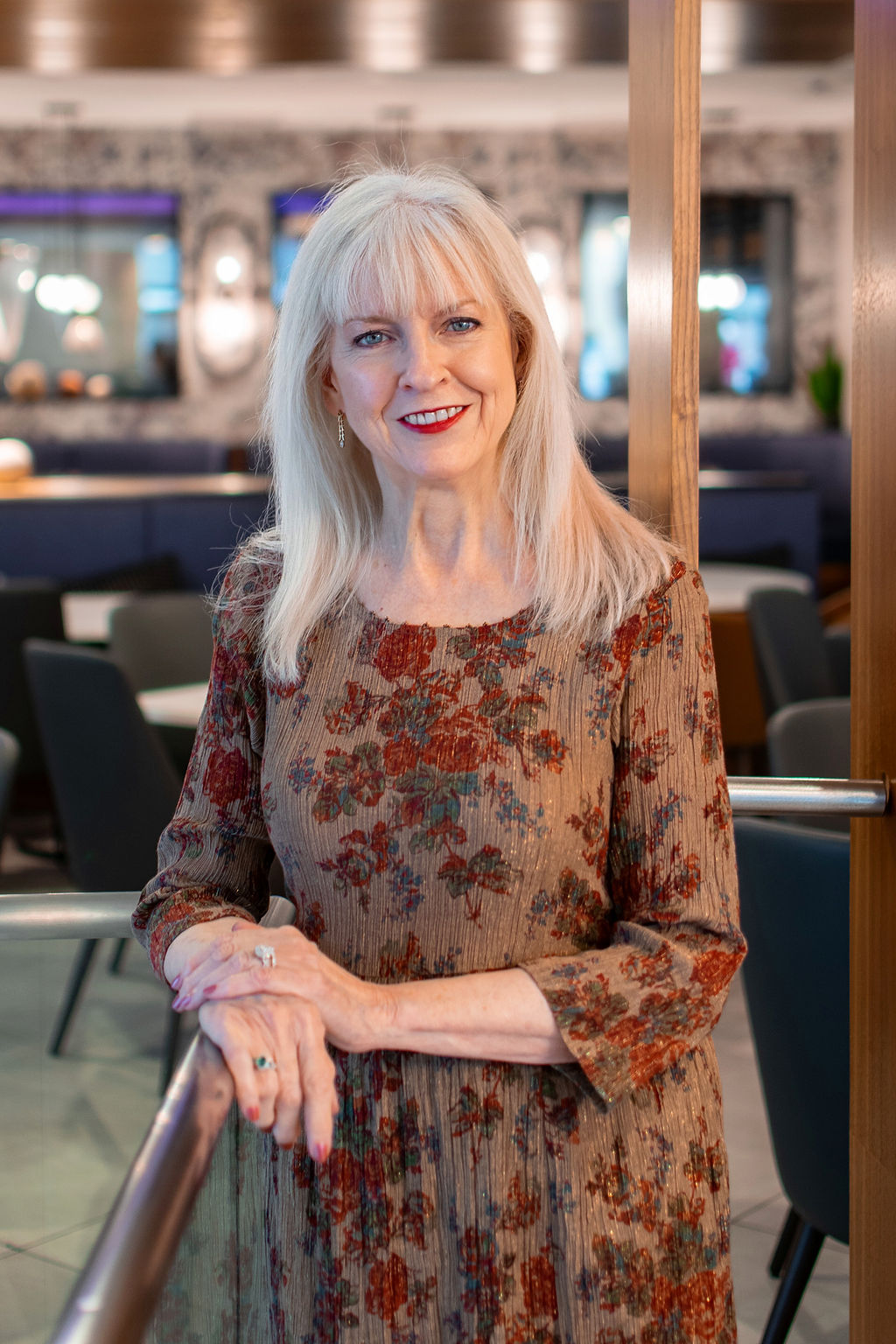
Those who know me know I may be a romantic but one wouldn’t know it from my writing. Other writers make romance the THING. Case in point, American Book Festival finalist for Historical Romance, Lizzie Jenks.

Lizzie, who are ya and what’s your story?

I am a multi-award-winning author of historical romance by night, and a historian by day. Needless to say, those two callings weave together delightfully. In grad school, I never paid much mind to any historians who poo-poo-ed historical fiction authors or re-enactors. Historians tend to be focused on how all the pieces fit together to create the big picture, but histfic authors and re-enactors are often much more attuned to the tiny details that bring the era to life. And believe me, I have been grilling re-enactors to get the details right for my current series.
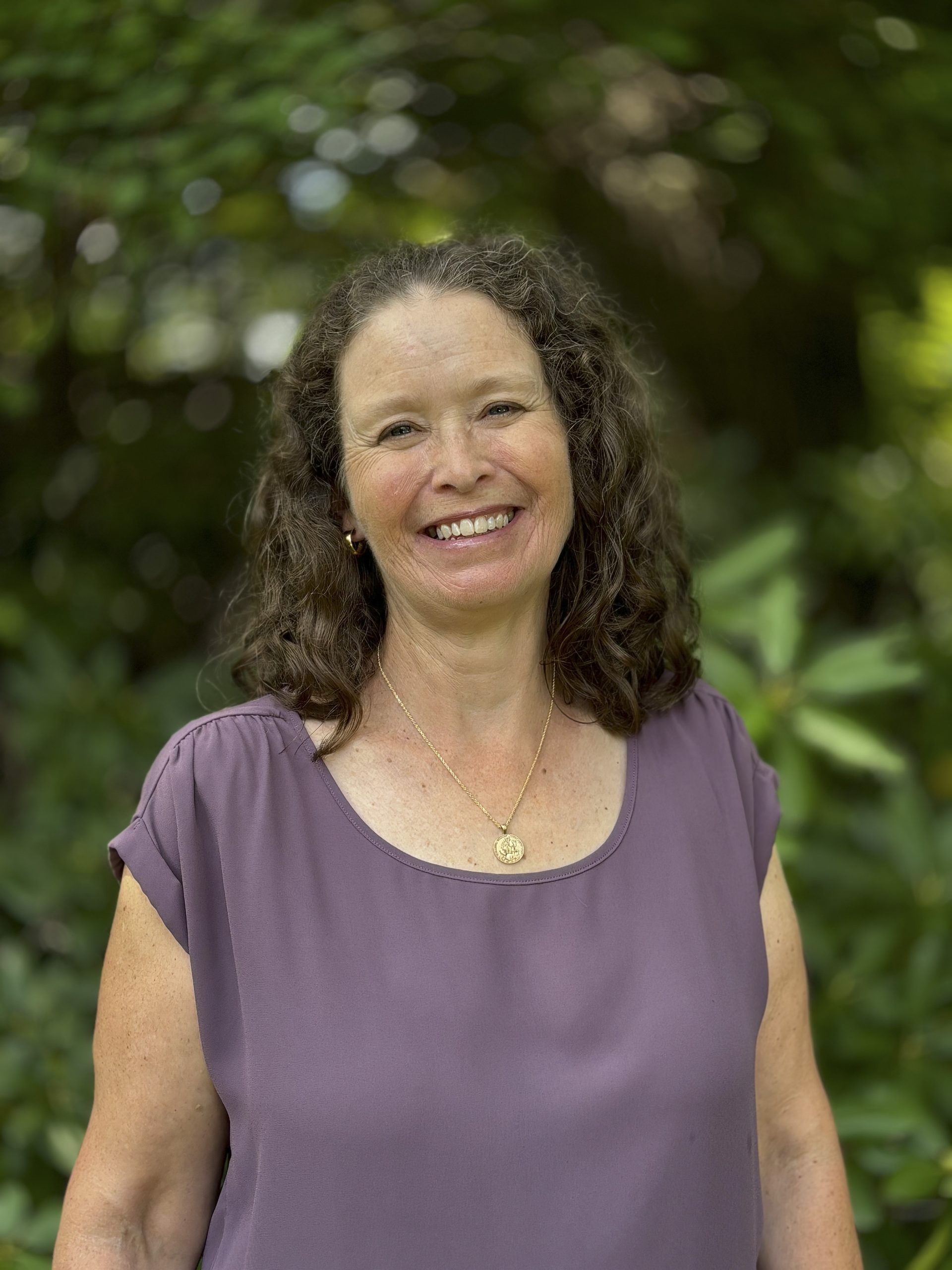
How else are you going to learn about the good, the bad, and the ugly of running through the woods during a sticky summer heatwave in a wool breechcloth? That is NOT something they teach you in grad school!

What is the book about?

Passion’s Duty is the first book in a series about a group of New Yorkers from the Mohawk Valley during the French and Indian War. This first story belongs to James Carroll, a barely literate former indentured servant from Ireland, working for William Johnson, and Faith Richmond, the daughter of an English colonel, and expected to marry her father’s lieutenant in order to further her family’s fortunes. They are helping Johnson’s preparations during his grand conference with the Iroquois and get caught up in French raids before they can even join the army proper for the first Crown Point campaign. And it is a steamy romance, so they fall in love and into each other’s arms along the way.

What is it about that time period or character that appealed to you? What are the roots of the story?
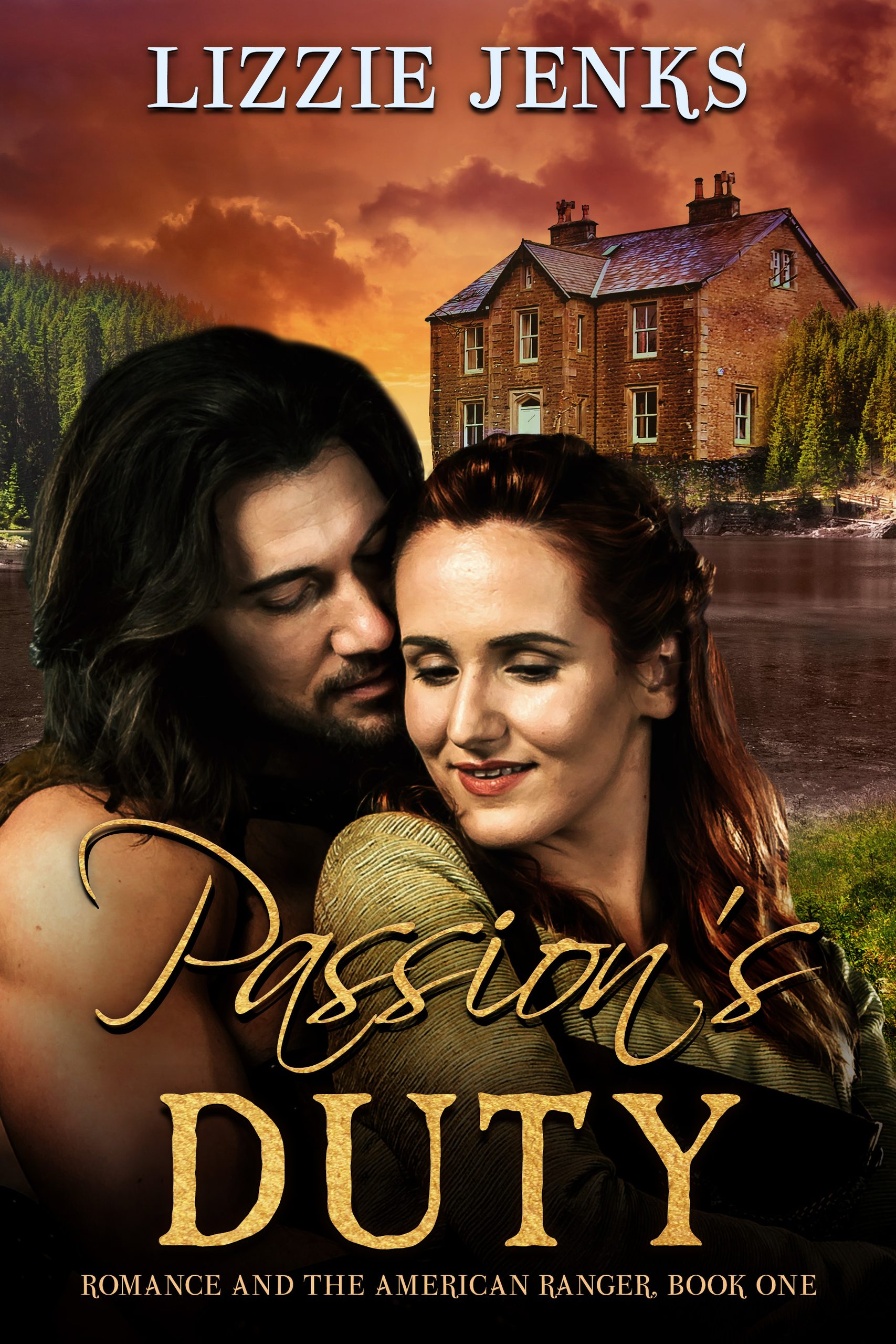
This period has always been a favorite of mine because it is so much richer and more complex than we all learned in high school. As I was brainstorming the story, I attended an open-house at the home William Johnson lived in during the war. The museum caretaker let me go up into the attic of the house, even though it wasn’t technically open that day. As he was showing me around, and telling me about what was stored up there, and how it was defended—two-pounders on swivels in the attic, facing the river—I looked up at a rather unsteady ladder and envisioned myself falling off it (because I am a klutz), and I suddenly had my inciting incident and was off to the races.

What is your favorite scene in the book?

So many favorites! Here is one that is early enough not to contain any spoilers. James is on patrol with his best friend and encounters Faith and her father in the woods, so the couple first meets at gunpoint. Once they have sorted out that they are all on the same side in the coming war, her father becomes belatedly concerned for Faith’s safety and asks James to escort them back to the road and their hired carriage. In the process of doing so, they encounter some uniquely North American wildlife. The Richmonds can’t understand why James and his friend are so very intent on avoiding it when they learn it isn’t likely to injure them.

Where can we learn more about you and your book(s)   Goodreads, Amazon links, twitter, Facebook, website etc.

You can find me at LizzieJenks.com, on Amazon, and on Goodreads. I am also on Instagram and Facebook, but I am an absentminded professor, so I forget to check my notifications for months at a time. The best way to get in touch is via my website and my Readers’ List. And if you join my Readers’ List, you will receive a $0.00 copy of Passion’s Return, which is an award-winning six-chapter story that is part of this same French and Indian War series. And at roughly 30 pages, it is a smaller commitment to try out a new-to-you author. I hope you enjoy it!

Check out The Deserter- a Tale of the Foreign Legion. “Wayne Turmel’s The Deserter manages to feel both old fashioned and strikingly original. While it possesses qualities of the adventure tales of old—whether that be those of daring from Scott and Cooper or stoical Hemingwayesque figures or most directly P.C. Wren of Beau Geste fame with even a bit of T.E. Lawrence. “– Michael Harnett, author, Windmill Bluff
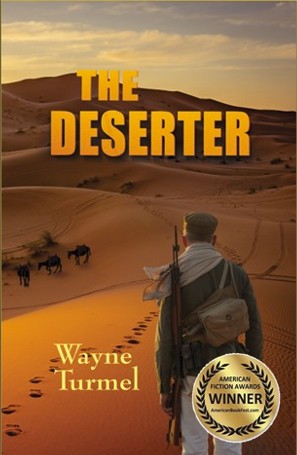
It’s an American Book Festival 2026 Winner for Best Adventure/Historical Novel!

Join my newsletter and get a weird (sometimes icky) historical fact and an update on what’s going on in my world! Fill out the form on the right hand side.

A Young Girl’s Dangerous Escape Through Europe- Barbara Stark-Nemon

Here’s another historical adventure that came to me via the American Book Fest awards. It’s the tale of a young girl who escapes the Spanish Inquisition (and I WIL NOT SAY THAT NOBODY EXPECTS THAT) and flees to Northern Europe. Not the most common subject for a novel… and that’s a good thing. Welcome Barbara Stark-Nemon.

Hi Barbara. Introduce yourself, will ya?

Writing novels is my encore career, and I couldn’t feel luckier. I had a thirty-year career teaching English, working as a speech and language therapist and teacher consultant, and I loved that work.  I’m grateful to have then been able to fulfill my lifelong dream of being a writer with the publication of three novels; Even in Darkness, Hard Cider, and Isabela’s Way.  When I’m not writing, traveling, or visiting our three sons and eight grandchildren, I swim, garden, cycle, knit, quilt, and embroider in Ann Arbor, and Northport Michigan. 

What’s Isabela’s Way about?

Isabela’s Way, set in the early 17th century, is the story of a 14-year-old embroideress who has to find her way out of Portugal, through Spain and France, to Germany to escape the Spanish Inquisition.  She, and a young man from her home town are assisted by a network of supporters who work to help Conversos (forcibly converted or expelled Jews) to escape to safer cities. Isabela gradually realizes that her embroidery of coded symbols is used by the network to designate danger or safety of clandestine sanctuaries along her route. She is shocked to discover her family’s true origins, and must use all her resilience to surmount the danger and disorientation of her circumstances as she eludes the Inquisitor priest who is pursuing her. She grows up and comes to terms with a changing identity.

Holy cow! That’s not your average story. Where’d it come from?

Isabela’s Way came to me 15 years ago when I was on the third day of a bicycle trip from Portugal to the Alhambra in Spain. I had just huffed and puffed up a steep hill to a Celtic standing stone circle where if the sun fell in exactly the correct alignment,  local legend had it that your ancestors would come to you.  So maybe I shouldn’t have been surprised when on the merciful glide down the hill to the next stop, a fourteen-year-old embroideress came to me with her story of escape from the Spanish Inquisition through a journey from Portugal to Spain, then France and finally to Germany. I told the girl to wait… I was writing Even in Darkness, and Hard Cider, my second novel, was in the wings.

My girl did wait, and I traveled three times to Spain, Portugal, France and Germany to research her. Then came Covid and I was restricted to continue my research online.  A deep dive into Ancestry.com revealed my ancestor, who was born in 1586 in Abrantes, Portugal, and died in 1655 in Hamburg, Germany, providing both the time period and the escape route for Isabela’s story.

Totally unfair question: What’s your favorite scene?

My favorite scenes to write in Isabela’s Way turned out to be the ones involving the herbal healer and dye maker, Ana Martel Gerondi. She is a skilled and savvy member of the secret network helping Isabela reach her father.  Her knowledge and skill at healing, her imposing figure, her quiet strength and deep passion made her one of my favorite characters.

Where can we learn more about your work?

www.barbarastarknemon.com

https://www.instagram.com/bannstark

https://barbarastarknemon.substack.com

https://www.instagram.com/bannstark

www.facebook.com/starknemon

Check out The Deserter- a Tale of the Foreign Legion. “Wayne Turmel’s The Deserter manages to feel both old fashioned and strikingly original. While it possesses qualities of the adventure tales of old—whether that be those of daring from Scott and Cooper or stoical Hemingwayesque figures or most directly P.C. Wren of Beau Geste fame with even a bit of T.E. Lawrence. “– Michael Harnett, author, Windmill Bluff

It’s an American Book Festival 2026 Winner for Best Adventure/Historical Novel!

Join my newsletter and get a weird (sometimes icky) historical fact and an update on what’s going on in my world! Fill out the form on the right hand side.

When Was the Last Time You Read Anything About Patagonia? Kate Beales

One of the best things about being in contact with other winners and finalists of the American Book Fest awards, is finding out about the time periods and topics that have obsessed their authors. That brings us to an author and topic I’ve never heard of: Kate Beales and her tale of the British colony in Patagonia, Broken Horses.

Okay Kate, floor’s yours. What should we know about you?

I’m from the UK, and I live mostly in London with my husband and two grown-up sons. I say mostly, because I spend as much time as I can in the hills of Northern Piemonte, Italy, where I host creative retreats for writers and other artists. 

My background is in theatre – I learned my trade as an assistant director at the beautiful Deutsches Schauspielhaus in Hamburg, where, because I spoke English, I got to work with all the international directors. Over the next five years, I toured the world with the English Shakespeare Company, became a theatre director and then joined the Learning Department at the National Theatre as a freelance associate. I’ve created projects for and with children, young people, elders, teenagers at risk of homelessness, business people and many other communities. I’ve made a show with (yes, with!) toddlers, set in a giant bed, and worked with refugees on the streets of Paris and Athens. I’ve collaborated with an analogue photographer to create pop up darkrooms and pinhole cameras for community storytelling, and worked with puppeteers in the townships of South Africa. Along the way, I’ve learned to tell stories and teach storytelling – including for the Tisch School of the Arts at NYU, where I worked as a visiting professor teaching both Storytelling and Shakespeare for twenty years. Today I facilitate work with limbless and wounded veterans, teaching writing and theatre, helping them share their stories of resilience. 

I write my own stories whenever I can, in between the day job, mostly on trains and buses. I’m proud of Broken Horses, it’s had a long and rocky path to publication, and I’m delighted that it’s made it out into the world. I’ve been told, by someone who has lived experience of the story behind the story, that it ‘digs up the bodies’ – in a good way!

This is a story I know most people have no exposure to. What’s the book about?

Broken Horses is the story of Georgie, a young Englishwoman who travels to Southern Patagonia after the Great War, hoping to begin a new life as governess to a motherless child. Slowly, she builds a friendship with her employer, the widower Ian Creed, and dares to dream of a secure future as his wife. At the same time, her heart is drawn to Raúl, the gentle horsebreaker, who teaches her to love her wild new home. 

But Patagonia is in turmoil, riven with political struggle. Ian, suffering from the loss of his wife and his own wartime trauma, becomes increasingly erratic. When a rural workers’ strike leads to rebellion and the region’s colonial landlords plan brutal reprisals, Georgie finds herself caught between the values of her old world and the desperation of the new. 

What are the roots of the story? What is it about this time period you find so fascinating?

I’ve always been interested in how Europe responded to the collective trauma of the first world war – and how the role of women changed at that time. The conflict really was global: colonial Patagonia was affected too, even though it’s so far away from the rest of the world. 

The roots of this story lie in my curiosity about how it might have felt for a European woman to sail across the world to make a life in such a far-off and inhospitable place. My own grandmother sailed to Punta Arenas in 1905: it must have been unimaginably hard. The more research I did,, the more I was fascinated by Patagonia’s history. The indigenous people who had roamed the land for millennia were systematically destroyed by the new settlers. The environment was irrevocably altered, the migrant workers brutally exploited. And yet it’s a beautiful, haunting world, full of stories of courage, hope and heroism as well as violence and loss.

For more insights into why I wrote this book, please check out this 7-minute documentary about the story behind Broken Horses.  https://vimeo.com/djangopinter/brokenhorses

What’s your favorite scene in the book?

This is a really difficult question! There is a scene set at the height the workers’ rebellion that I’m particularly proud of because it cost me a lot to write it. I still find it difficult to read back. There are a couple of moments which were validated by subsequent experiences in Patagonia that pretty much exactly replicated what I’d written – that felt wonderful! The scene where the gosling is attacked by the carancho actually happened. I witnessed it in Magellanes, Chile and understood at the time that it was something very special. I’m very happy that it made it into the book. I am also very happy with the twist at the end: it took me at least six different versions to get the ending the way I wanted it! 

If pressed to choose, I would probably go for the scene where Georgie rides out onto the plain with Raúl and they encounter a herd of wild horses. The experience lifts Georgie out of the trauma she’s been living with, and gives her a glimpse of freedom – it also cements her relationship with Raúl, although neither of them know it yet.

Thanks for your time and your fascinating tale. Where can we learn more about you?

My publisher: Linen press

My Instagram:

Amazon (both UK and US)

Check out The Deserter- a Tale of the Foreign Legion. “Wayne Turmel’s The Deserter manages to feel both old fashioned and strikingly original. While it possesses qualities of the adventure tales of old—whether that be those of daring from Scott and Cooper or stoical Hemingwayesque figures or most directly P.C. Wren of Beau Geste fame with even a bit of T.E. Lawrence. “– Michael Harnett, author, Windmill Bluff

A 19th Century Wyoming Love Story- Jane Lewis

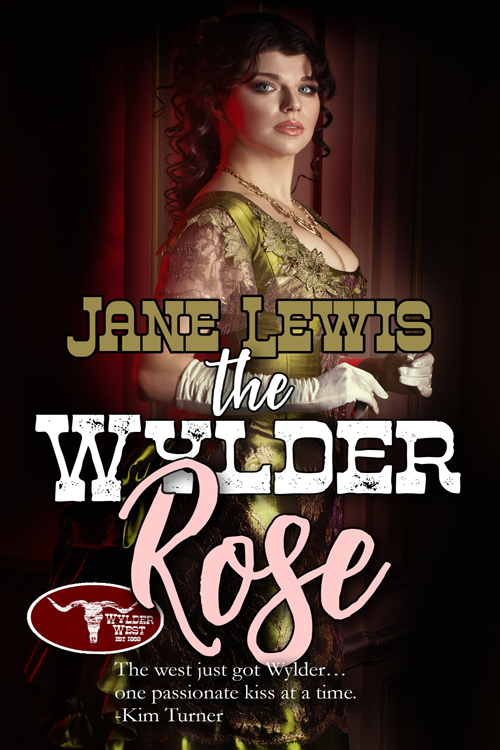
In case you haven’t figured it out yet, I’ve been showcasing winners and finalists of the American Book Fest awards for Historical Fiction in different genres. While romance isn’t my thing (unless you count 35 successful years with the Duchess) cool stories are. Enter Jane Lewis and her book, The Wylder Rose.

What’s your deal, Jane?

I fell in love with romance when I read Kathleen Woodiwiss books many years ago. I never wanted her books to end and decided someday I would write historical romance. I have a degree in music and work as a church musician on the weekends. After retiring from my corporate job, I’m free to pursue my dream as a writer. I have eight books published and will publish the ninth book soon. I write historical romance as Jane Lewis and rock star romance as Eve Lyn.

I was so excited when The Wylder Rose won the 2026 Central Region Oklahoma Writers National Excellence in Storytelling Short Historical category and was an Award Finalist in the 2026 American Bookfest American Fiction Awards. 

I enjoy cooking, playing music, singing, weight training, and hanging out with my real-life hero, my husband.

What’s your book about?

The Wylder Rose is about Rose O’Brien while escaping from her abusive lover gets stranded in a blizzard. A handsome Scotsman, Callum MacPhilip finds her carriage stuck in a snowbank and the woman and her horse almost frozen. When Callum sees her face, he realizes she’s the woman he fell in love with at first sight when he watched her board a carriage in Cheyenne.

Callum nurses her back to health but must let her go when she recovers and moves to town for her job as a singer in the saloon.

The overprotective Scotsman watches over her but her fiery temper, determination, and desire for independence makes courtship difficult.

What is it about that time period that appeals to you?

The Wylder Rose is set in Wyoming in 1879. The people of that period were brave, traveling in wagons or horseback to start a new life in unknown territories. Life was hard but people persevered. Trains were beginning to cross the country to make travel easier and allow more people to move west.

I wanted to write a story with a handsome Scotsman as the hero. I chose a red haired fiery tempered Irish lass as the heroine.

The root of the story is her background as an actress living with a powerful man in Cheyenne, Wyoming who was a criminal and abuser of women. The best part of the story is how she defeats the villain in the end.

Whoa! Spoiler Alert. What’s your favorite scene in the book?

My favorite scene is when Callum takes the unconscious Rose to his cabin, takes her wet clothes off and places her in a makeshift bed in front of the fireplace. He takes his clothes off so his body heat can warm her and joins her in the bed. He drifts to sleep but wakes to a yelp and a draft of cold air as the blanket is yanked from him.

Where can we learn more about you and your work?

My website, www.janelewisauthor.com

Goodreads

Bookbub

Amazon

Facebook

Youtube

Check out The Deserter- a Tale of the Foreign Legion. “Wayne Turmel’s The Deserter manages to feel both old fashioned and strikingly original. While it possesses qualities of the adventure tales of old—whether that be those of daring from Scott and Cooper or stoical Hemingwayesque figures or most directly P.C. Wren of Beau Geste fame with even a bit of T.E. Lawrence. “– Michael Harnett, author, Windmill Bluff