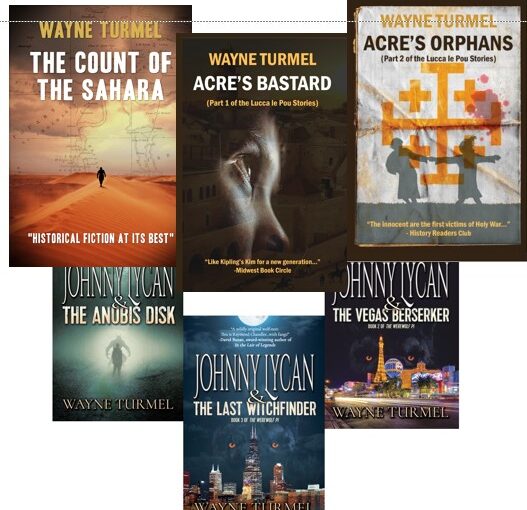
So much of my love of historical fiction comes from a mild obsession with medieval knights and battle. The Lucca Le Pou Stories started with my desire to write about the Crusades and the Orders that fought there. So, when I found a new series about a young man who becomes a fighting knight, well….
Clive Hart’s new series, The Legend of Richard Keynes is a beauty starting with the first book, Golden Spurs. Here’s my chat with him.
So, Clive, ( the most English name ever) tell us about yourself.
Writing historical fiction was a side effect of a life choice, a choice which meant I unintentionally did all my research before I put pen to paper. My journey began when I watched a medieval joust, and being enthralled by it, I thought I’d give it. However, it turns out that learning to ride well enough to do so well was not a one-hour-a-week thing, so I picked up my life and moved it next to the stables of the company which had put that first joust on, in order that I could ride every day. A little over a year later, I was jousting for that company, Historic Equitation, and learning for myself more about the medieval world than I had expected. My first foray into writing came with the non-fiction work The Rise and Fall of the Mounted Knight, into which I poured everything I had learned both from reading medieval accounts and trying things out myself. After completing that work, I turned to fiction and set about writing Golden Spurs.

I get that. For a while in LA I took fencing lessons- it wasn’t pretty- and look where that led. What’s the book (and series) about?
Golden Spurs follows the adventures of Richard, a young man in a noble household in the Midlands of England, who suffers from a betrayal which splits open his family. Cast out on his own, he must flee from those who seek to kill him, and then rebuild his life. Richard makes some friends along the way, none of whom are perhaps that reliable, but they’re better than nothing. His most trusty companion is his horse, a stallion with a yellow coat and a penchant for chewing things he isn’t supposed to. Richard finds himself at the household of a famous Norman knight, where he learns the martial skills he needs if he himself wishes to earn the symbol of knighthood, a pair of golden spurs.
The book is a coming-of-age story, but also a tale of a young man who finds the world to not be quite what he expected. Richard’s story continues through the remaining books of the series, where he pursues those who wronged his family across medieval Europe and to the sun-drenched Holy Land, where a final reckoning awaits.
What is it about that time period or character that appealed to you? What are the roots of the story? Coincidentally, it is only about 30 years before Lucca’s tales in the Holy Land.
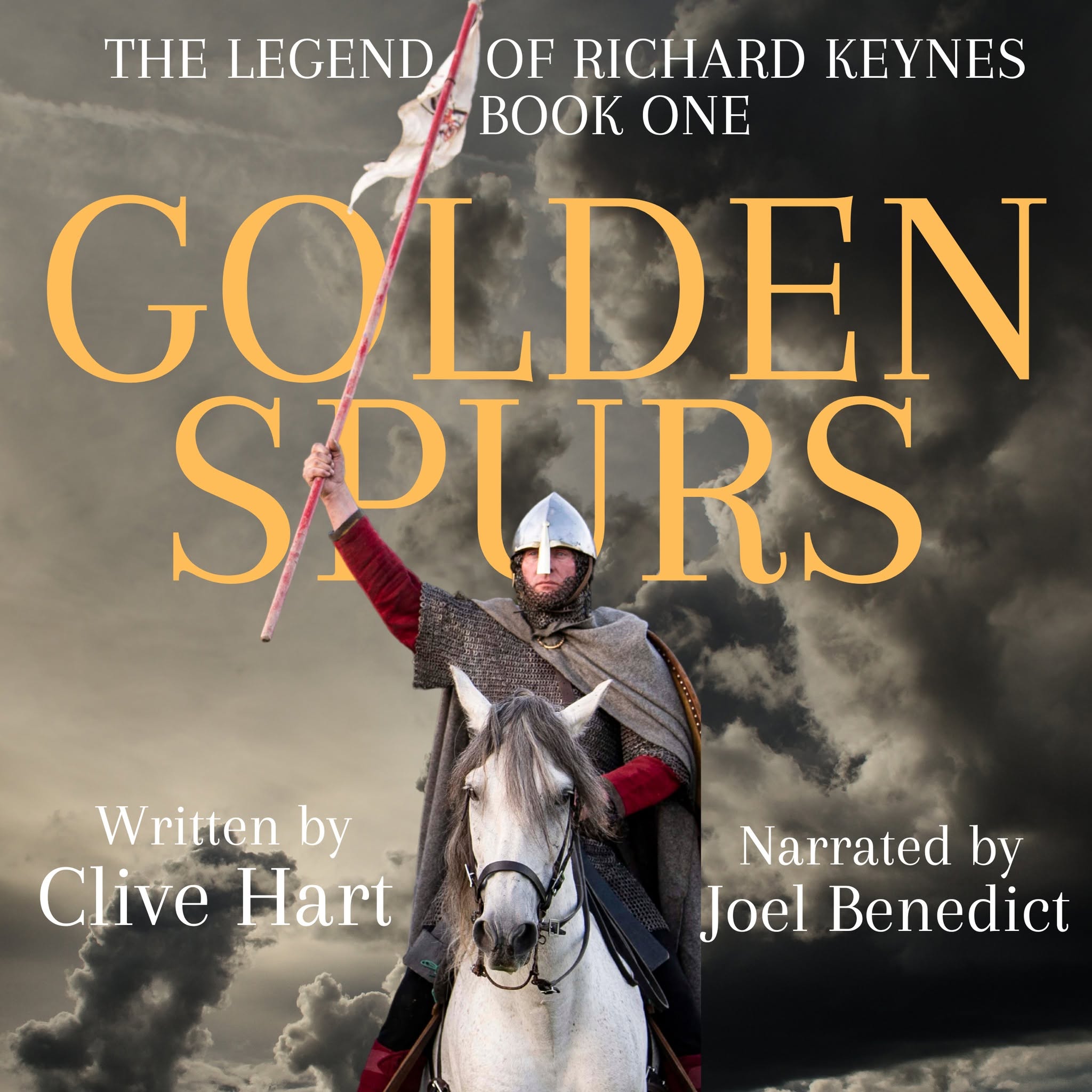
The story begins in 1166, a period when knights are transitioning from paid-for-soldiers to landowners, and Europe is forming the countries as we know them now. It’s a fascinating period where personal loyalty counts for far more than national pride, and peace is maintained only by the sword and the lance. I picked the period because it allowed Richard to meet England’s greatest knight, William Marshal, as a youngster, and because it would allow a book in the series to be set in the tournament scene. The 12th century tournaments were mock battles between two sides (sometimes of thousands) ranging across tens of square miles of countryside. This era of tournaments is one of my most favourite areas to read about, and indeed ride in. I enjoy jousting without a barrier between the horses, with many knights riding at the same time, and this controlled chaos is what drew me to 1166.
Unfair question: what’s your favorite scene?
Answering this took a while because each scene plants something which reappears in later books, but my favourite is one of the first. While Richard is fleeing those who tore his life apart, he is trapped in a dead-end alleyway by his assailants and faces certain death. But those assailants made a mistake, during the chase they knocked a man and spilled his beer, and this man is so enraged he follows them and comes to Richard’s aid. This small moment is the moment Richard’s life changes, because his unintentional and rather rude saviour will become his greatest friend.
How can we learn more about you and your work?
You can find Golden Spurs here on Amazon:
And follow me on Facebook under “Clive Hart – Author” and Instagram under “clivehart85”.
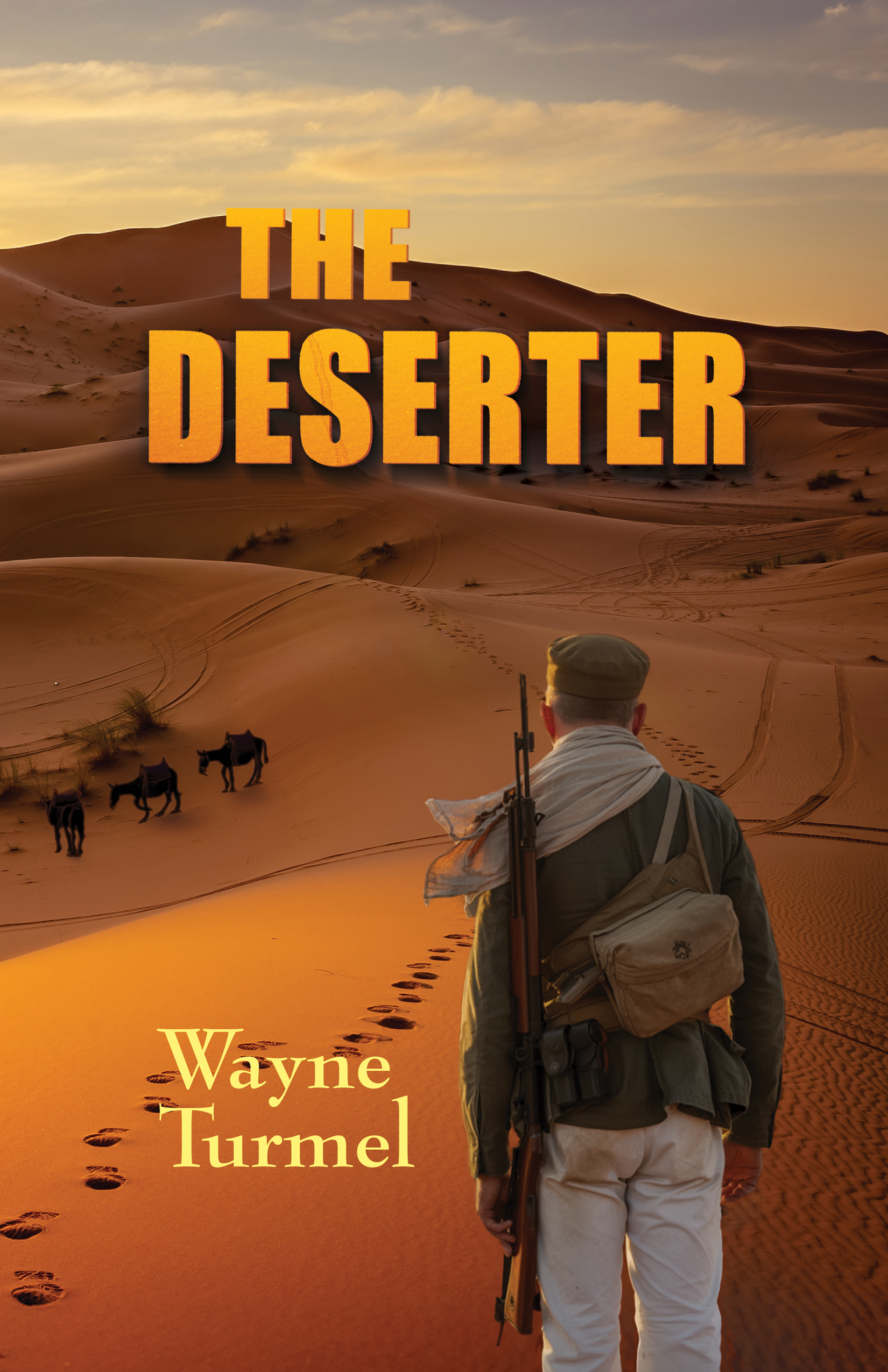
The Deserter- a Tale of the Foreign Legion, is “a remarkable, thoroughly researched, gripping tale. A two-fisted adventure set in the African desert.” Available in paperback anywhere, and on Kindle.